A steep, dense harbor city of towers, ferries and hills, with its own entry rules and a fast train into mainland China.
A steep, dense harbor city of towers, ferries and hills, with its own entry rules and a fast train into mainland China.
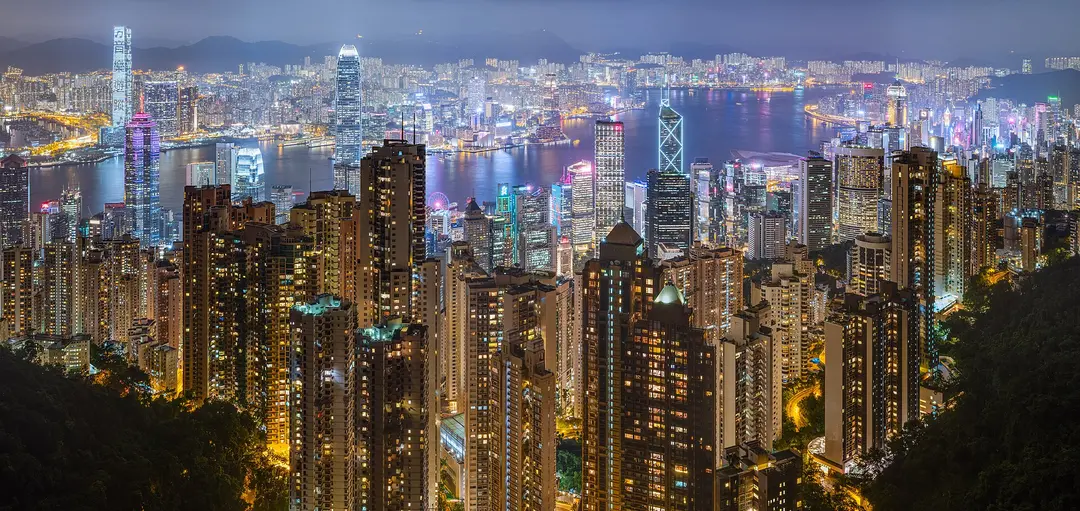
The strip of water between Kowloon and Hong Kong Island, lined with towers on both sides. Walk the Tsim Sha Tsui waterfront for the classic view of the Central skyline, and come back after dark when the buildings are lit.
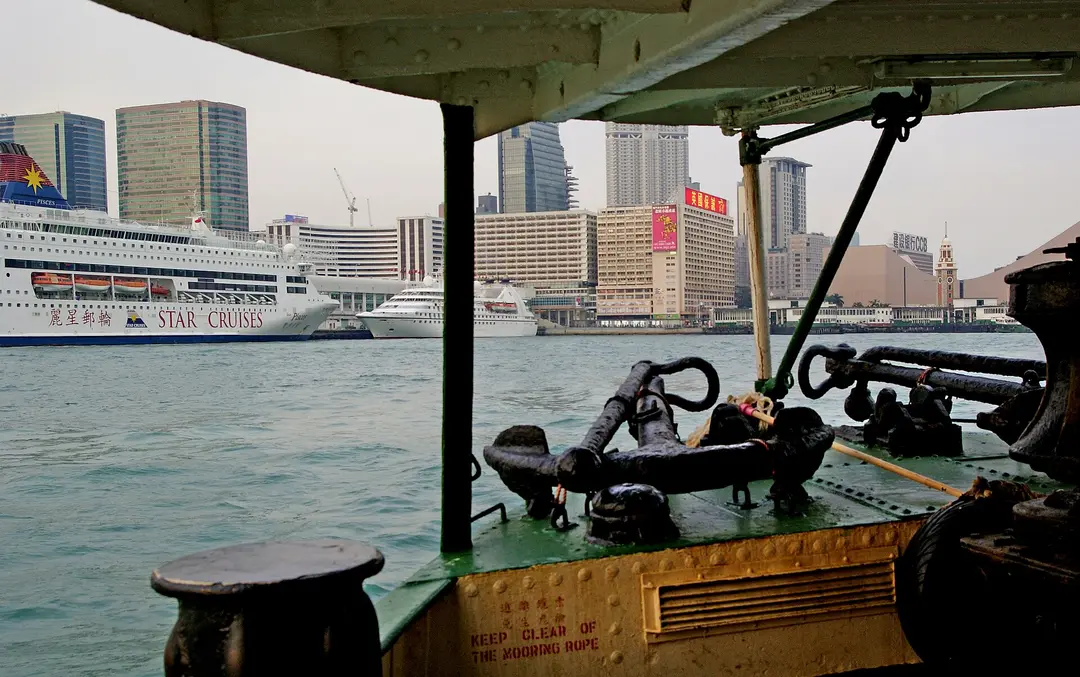
Green-and-white ferries cross between Central and Tsim Sha Tsui from 6:30 to 23:30, every 6–12 minutes. The adult upper-deck fare is HK$5 on weekdays and HK$6.50 on weekends and public holidays; tap Octopus, pay cash, or use the ticket machines, which take cards, Alipay and WeChat Pay.
The funicular climbs from its terminus at 33 Garden Road in Central to Victoria Peak, daily from 7:30 to 23:00. Buy tickets only on the official webstore or at the terminus; the operator warns of fake ticket sites.
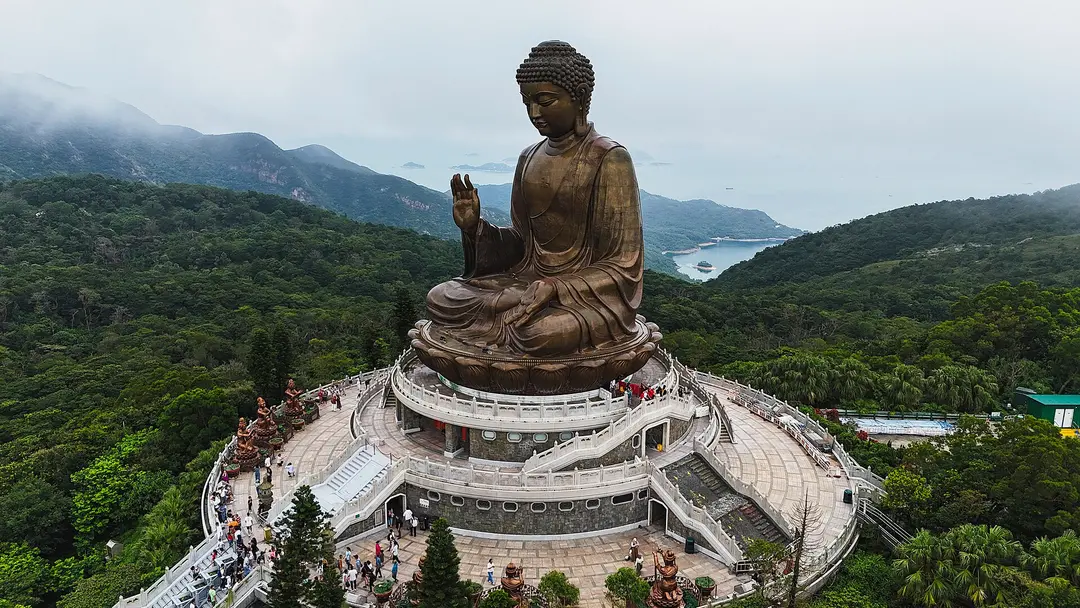
A 34 m bronze Buddha, finished in 1993, on a hilltop on Lantau Island, reached by 268 steps and free to see from outside. The Ngong Ping 360 cable car leaves from Tung Chung MTR and runs 10:00–18:00 on weekdays and 9:00–18:30 on weekends and public holidays.
A long street market in Yau Ma Tei, a short walk from Jordan or Yau Ma Tei MTR, selling clothes, souvenirs, gadgets and street food. Stalls open through the afternoon and it is busiest after dark; expect copies rather than real brands.
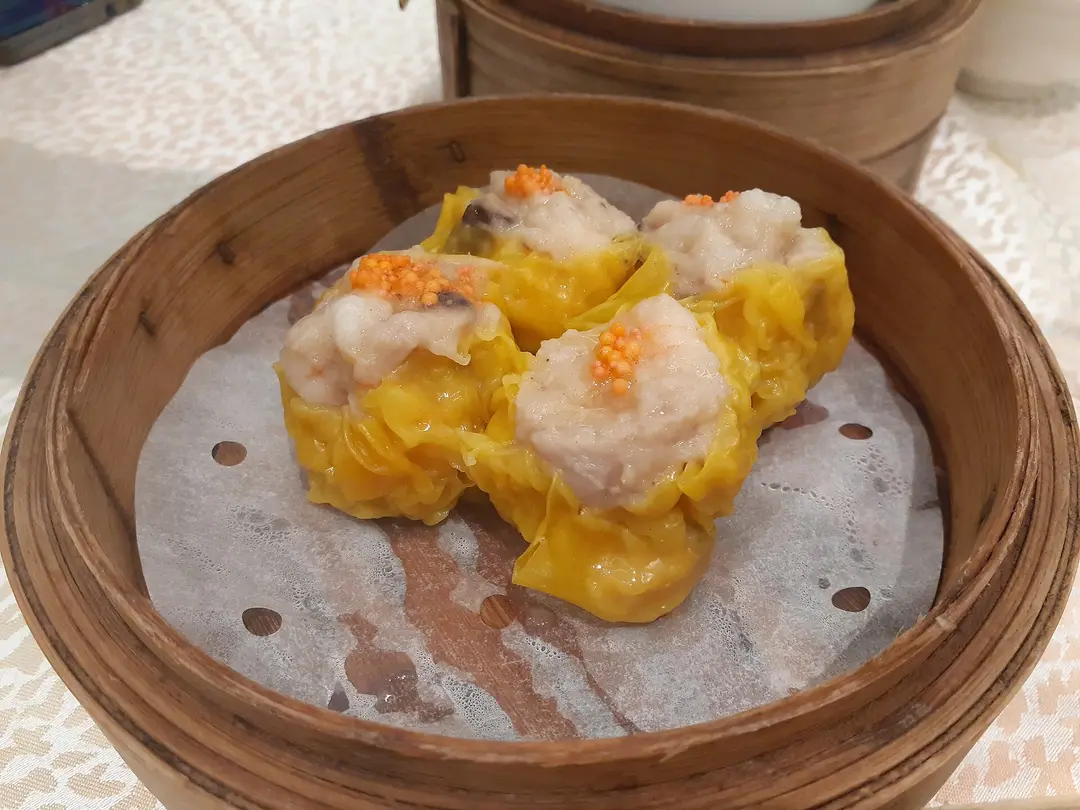
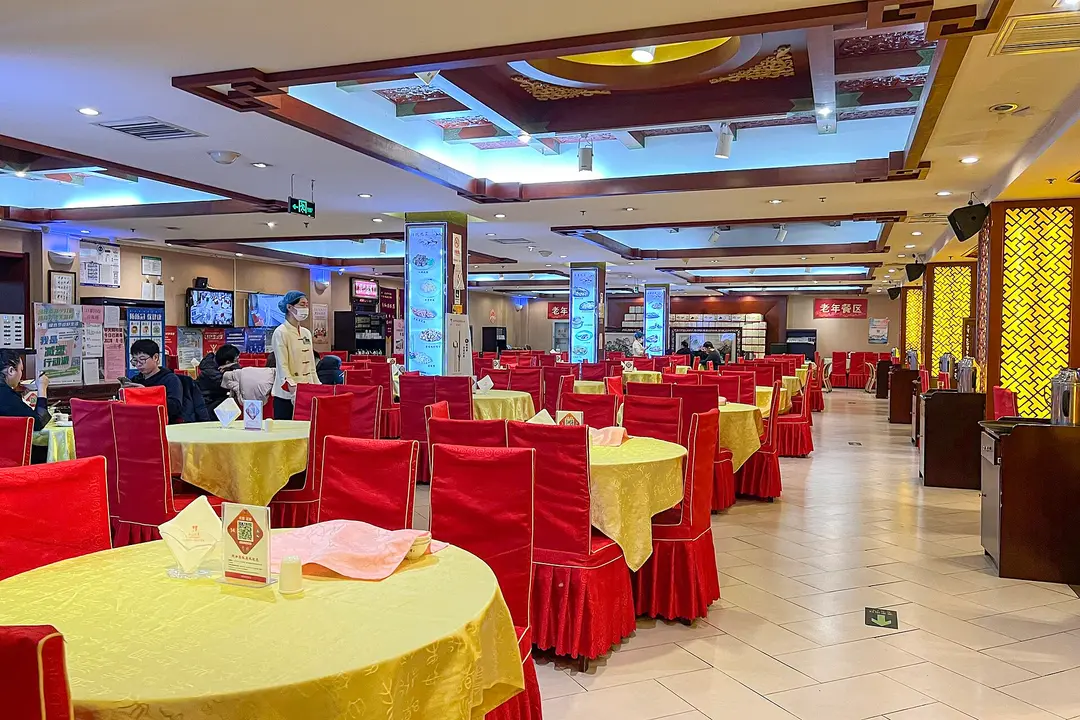
Open-topped dumplings of pork and shrimp in a thin yellow wrapper, one of the standard dishes at a dim sum meal.
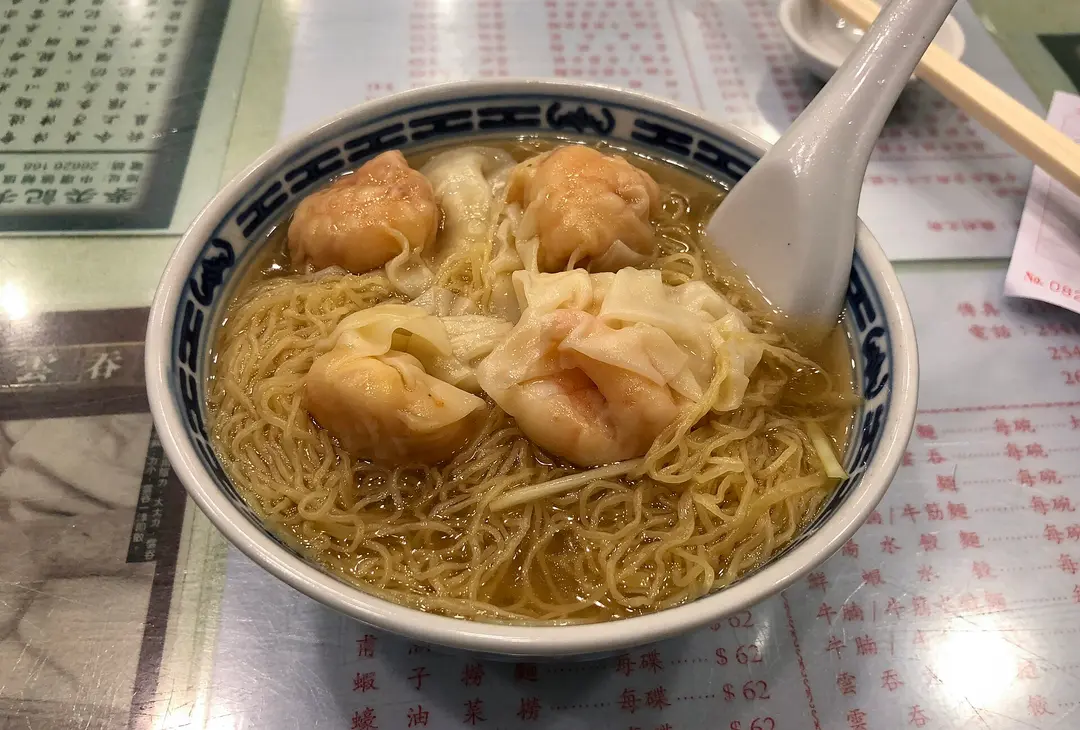
Shrimp dumplings with thin, springy egg noodles in a clear broth.
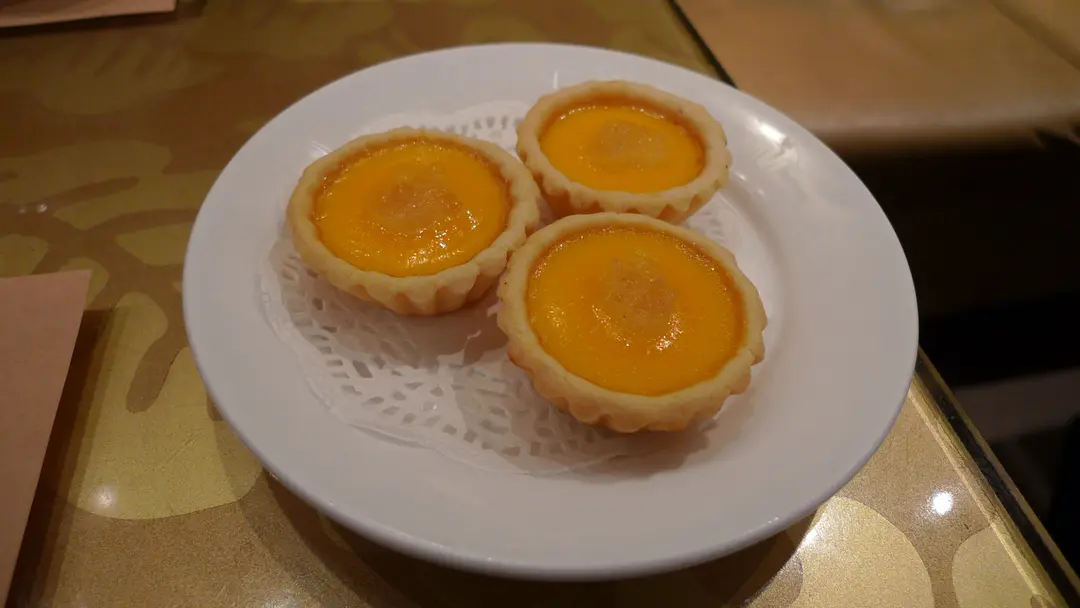
A small pastry case filled with smooth, just-set egg custard, sold in bakeries and cafés across the city.
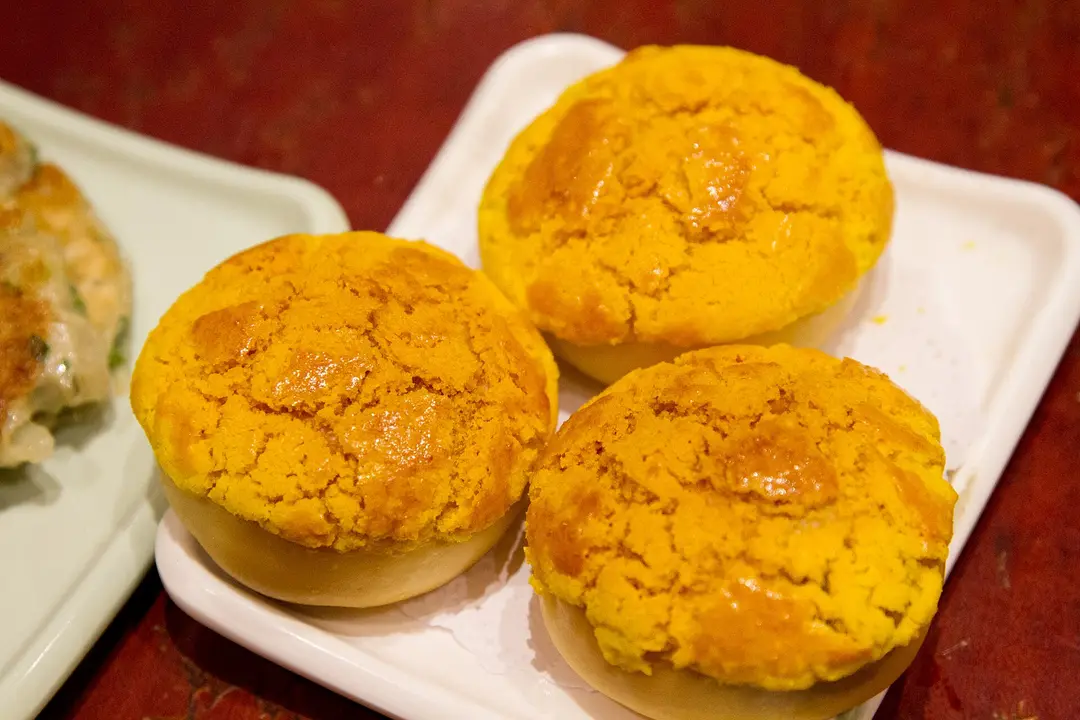
A soft sweet bun under a crackly sugar crust that looks like pineapple skin; there is no pineapple in it, and it is often eaten with a slab of cold butter inside.
Hong Kong packs skyscrapers, steep green hills and a busy harbor into a small space, with quiet country parks and islands a short ride from the center. It keeps its own immigration rules, transport system and currency, the Hong Kong dollar, separate from the mainland. The reasons to come are the views across Victoria Harbour, the Peak, the Big Buddha on Lantau Island, the night markets of Kowloon, and Cantonese food from dim sum to wonton noodles.
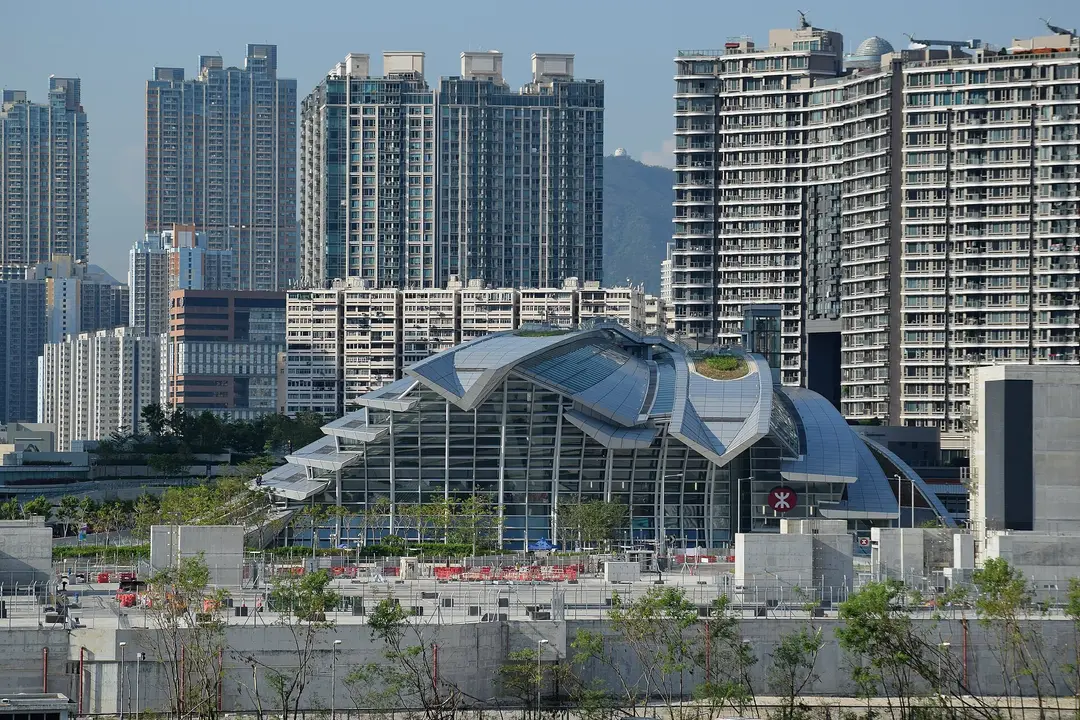
It suits first-time visitors who want an easy start or finish to a China trip. The MTR takes foreign contactless cards, and the high-speed train reaches Shenzhen in about 14 minutes and Guangzhou in under an hour, with onward trains across the rail network to Shanghai and Beijing.
On the first day, take the Peak Tram from Garden Road in the morning for the view over the harbor, then come down to Central and cross to Tsim Sha Tsui on the Star Ferry. Walk the waterfront at dusk, and end the evening at Temple Street Night Market.
Start the second day with dim sum, then take the MTR to Tung Chung and the cable car up to Ngong Ping for the Tian Tan Buddha; allow most of the day. A third day leaves time for more food and neighborhoods, or a day trip across the Hong Kong–Zhuhai–Macao Bridge to Zhuhai and Macau.
Before you cross into the mainland, read our visa-free entry guide, because the mainland’s rules are not Hong Kong’s. Set up Alipay or WeChat Pay before you go; our payments guide explains how.
Checked on 29 October 2026. Opening times and ticket rules change; confirm on the official site before you go.
Two to three days. Give one day to the Peak, the Star Ferry and the Tsim Sha Tsui waterfront, one to the Tian Tan Buddha on Lantau Island, and a third to food, neighborhoods or a trip to Macau.
High-speed trains from West Kowloon reach Shenzhen Futian in about 14 minutes, with Hong Kong exit and mainland entry checks done inside West Kowloon station before you board. You can also take the MTR East Rail Line to Lo Wu or Lok Ma Chau and cross on foot. See our Shenzhen guide.
Many passports do not. Hong Kong lets British citizens visit visa-free for up to 180 days, and citizens of the US, Canada, Australia, New Zealand, Ireland, Germany, France, Italy, Spain and the Netherlands for up to 90 days; you need an onward or return ticket and enough money for your stay.
No. Hong Kong sets its own entry rules, and going on to mainland China is a new entry under the mainland's rules. West Kowloon station is an approved port for the 240-hour transit rule; see our visa-free entry guide.
November and December are the best months to visit Hong Kong, with sunshine and comfortable temperatures. May to September is hot, humid and wet, and typhoons are most likely from July to September.
High-speed trains from West Kowloon reach Guangzhou South in about 47 minutes on the fastest services. Border checks happen inside West Kowloon station before boarding and ticket checks close 30 minutes before departure, so arrive early.
Not necessarily. Contactless Visa, Mastercard and UnionPay cards pay the same adult fares on the MTR, including the Airport Express, though not on Light Rail. An adult Octopus card costs HK$200, including a HK$50 refundable deposit.
Ride the Peak Tram to Victoria Peak, cross the harbor on the Star Ferry, walk the Tsim Sha Tsui waterfront after dark, see the Tian Tan Buddha on Lantau Island and browse Temple Street Night Market. Make time for dim sum and wonton noodles.
A host who lives in Hong Kong can take care of as much or as little as you like. Pick what you need; it all comes back as one plan and one price.
Tell us your dates and which cities you have in mind. A host replies within 24 hours with a day-by-day plan that fits Hong Kong in, and a price.
Plan your trip