A far-northern city with ice palaces in midwinter, European-style streets on the Songhua River and mild, green summers.
A far-northern city with ice palaces in midwinter, European-style streets on the Songhua River and mild, green summers.
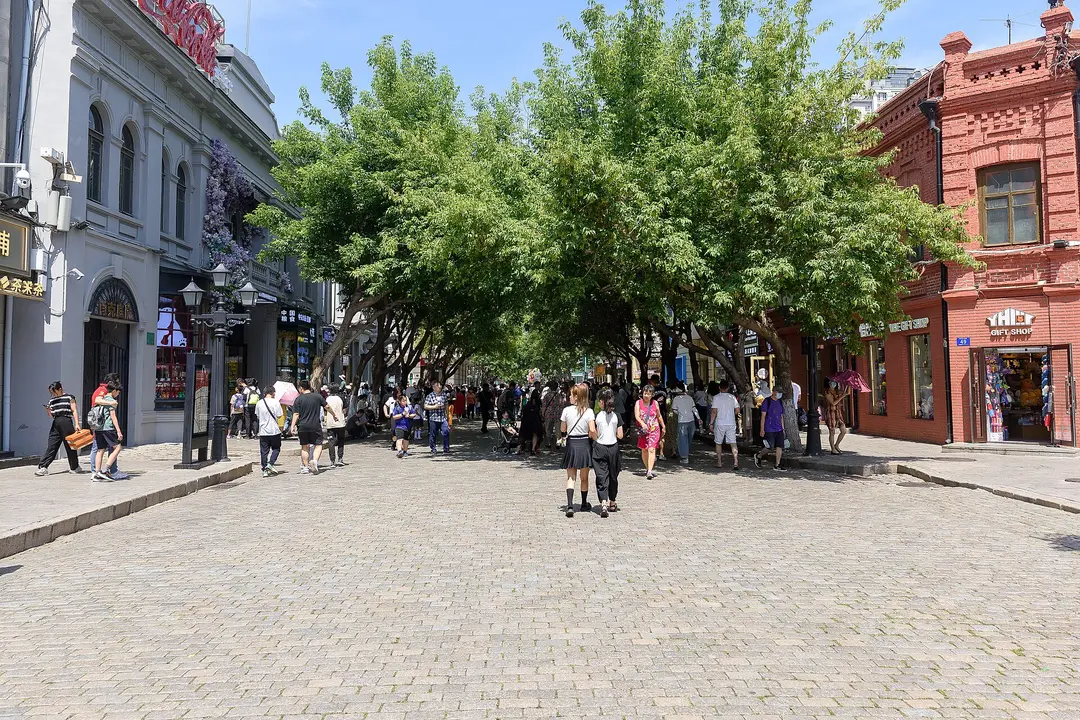
A 1,450 m cobbled pedestrian street lined with more than 70 European-style buildings, including the 1906 Modern Hotel. Its north end meets the Flood Control Memorial on the Songhua River bank.
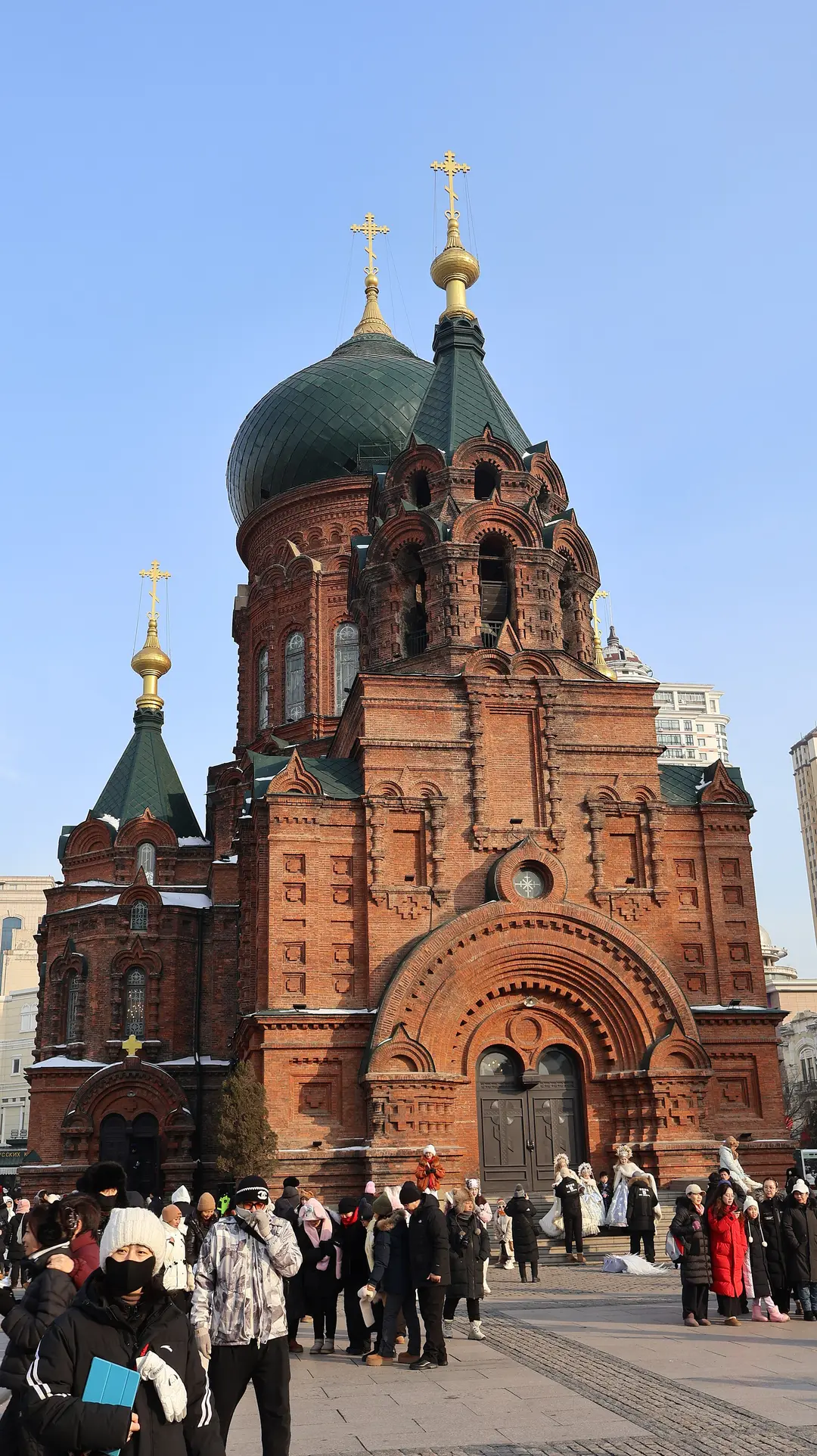
A red-brick former Russian Orthodox church with a green onion dome, about 15 minutes' walk from Central Street and now the Harbin Architecture Art Museum. The interior reopened in December 2025 after mural conservation work.
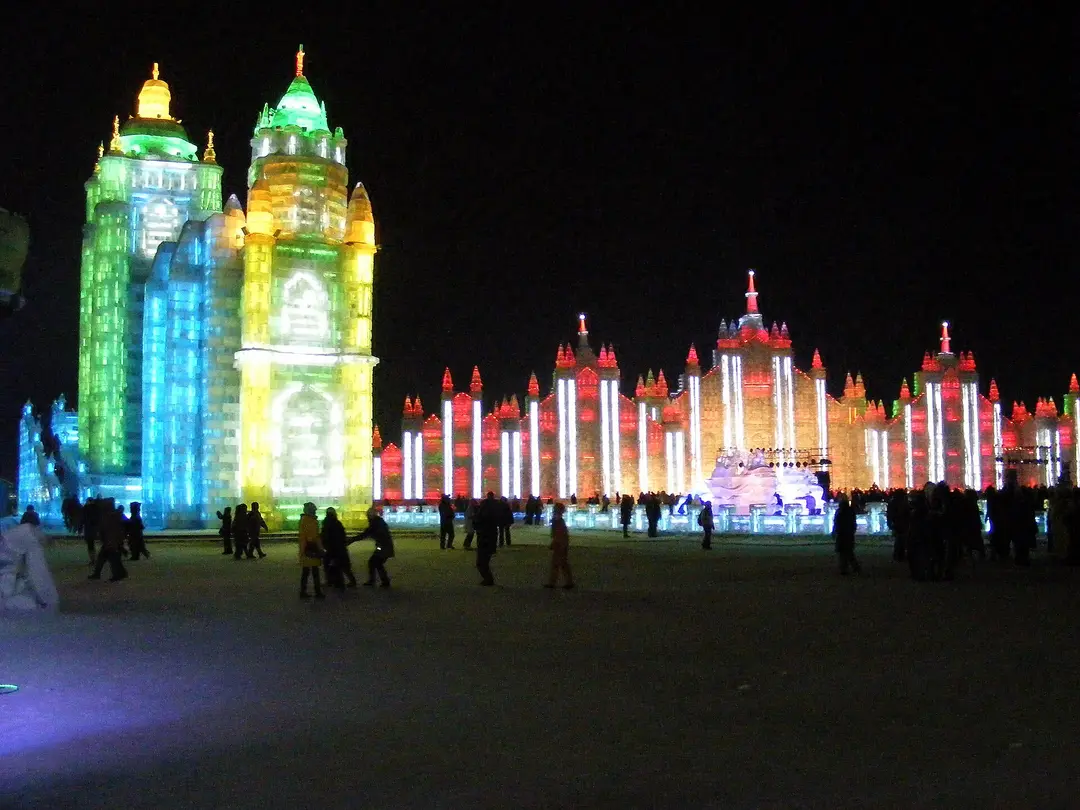
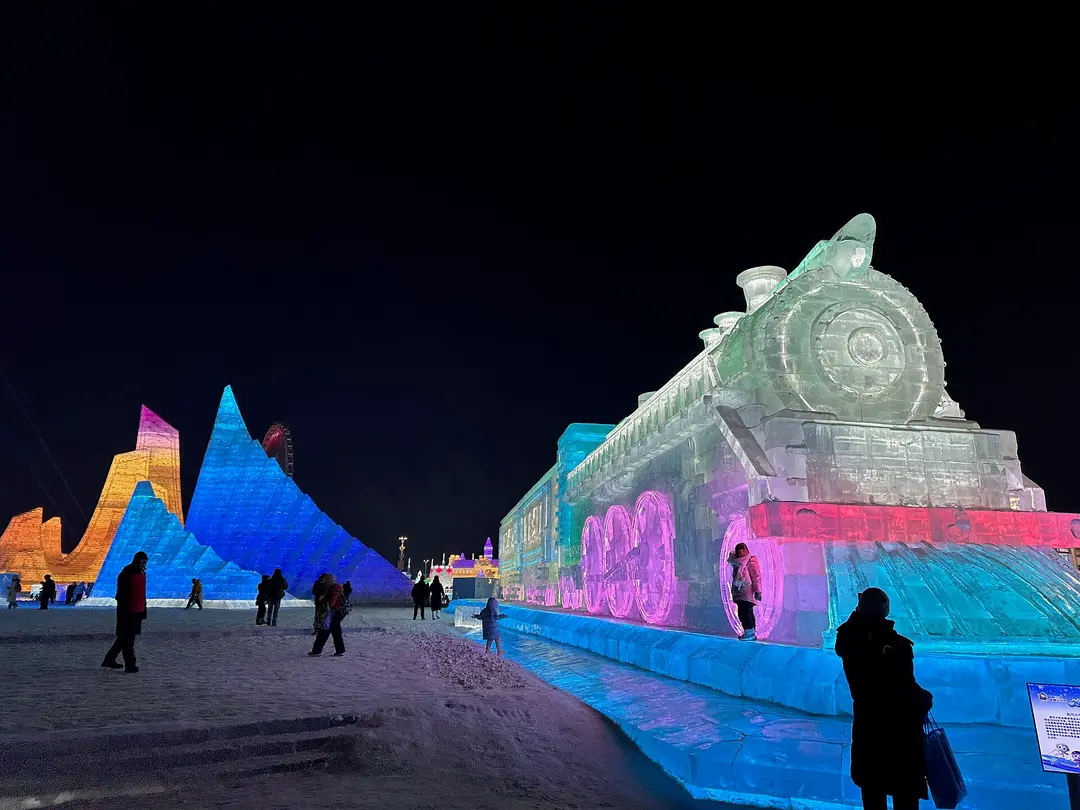
A huge winter park of lit ice buildings made with blocks cut from the Songhua River, reached by Metro Line 2. The 2026–27 park is planned at 1.25 million square meters, with a Frozen-themed area made with Disney China. In summer, an indoor ice hall is kept at about −10°C.
Large snow sculptures on Sun Island, across the river from the old center, best seen in daylight. Last season it opened on December 31; in summer the island is a park of wetland and woods.
A breeding center on the north bank of the Songhua River with about 700 Amur tigers, seen from an enclosed vehicle driven through the free-range area. Open all year; staff sell meat and live poultry for feeding, which some visitors find upsetting.
The riverside promenade at the end of Central Street. In summer it has sightseeing boats, speedboats and evening cruises, and street musicians play along the bank.
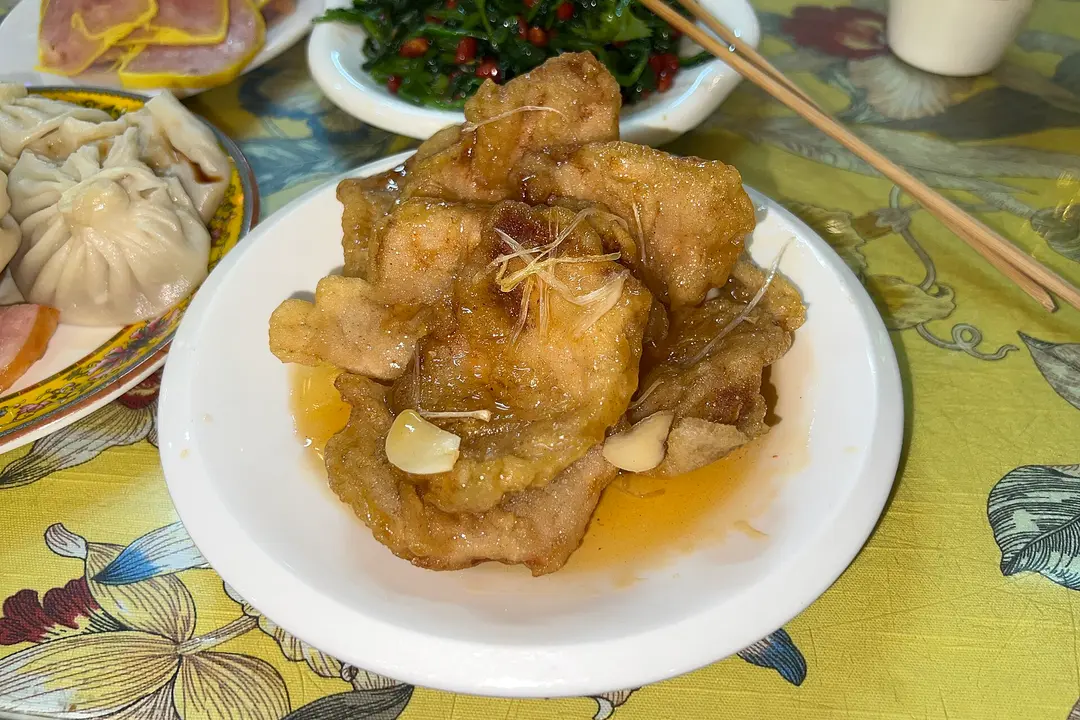
Thin slices of battered pork fried crisp and tossed in a sweet-and-sour sauce; the Harbin classic.
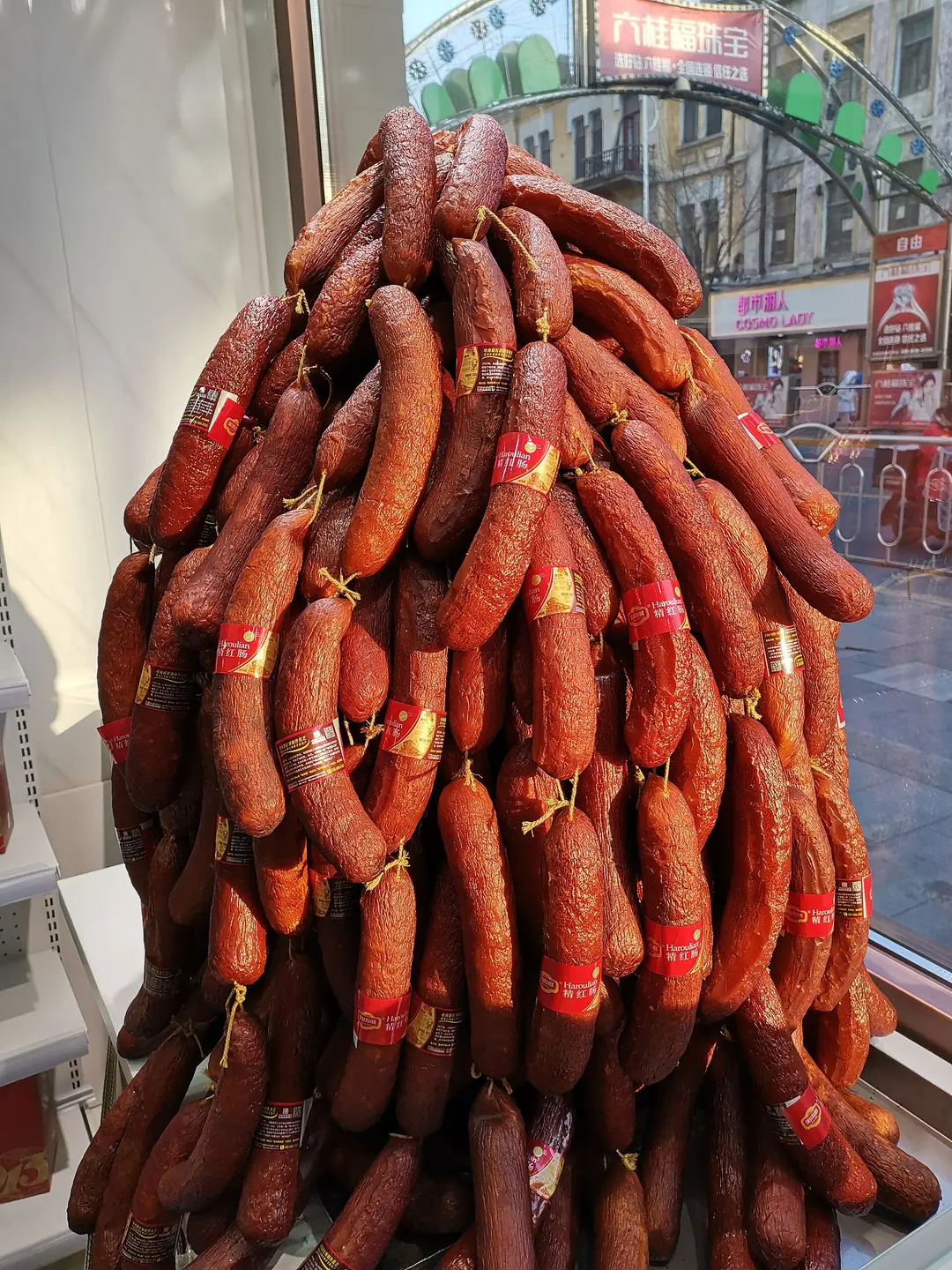
A cured pork sausage with a reddish skin, eaten sliced, grilled on sticks at stalls or bought vacuum-packed to take home.
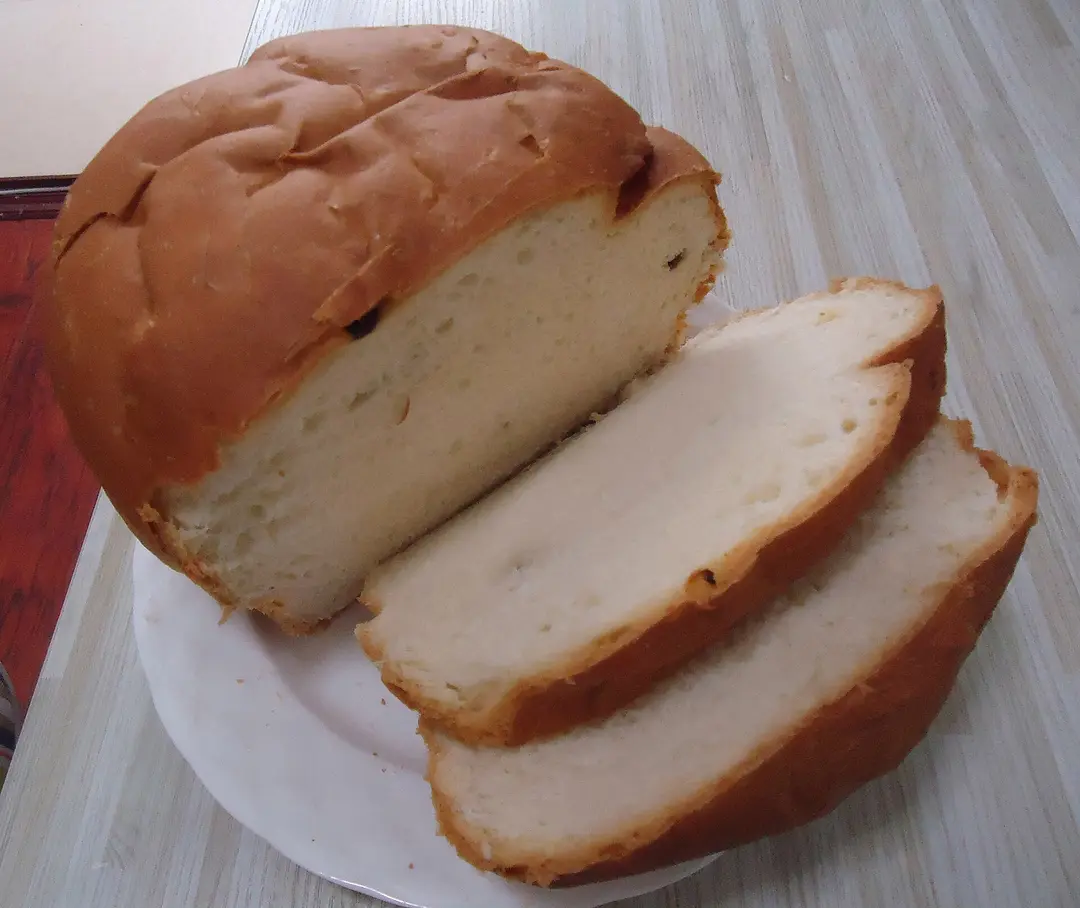
A large loaf of slightly sour bread that keeps for days, part of the Russian food heritage of the city.
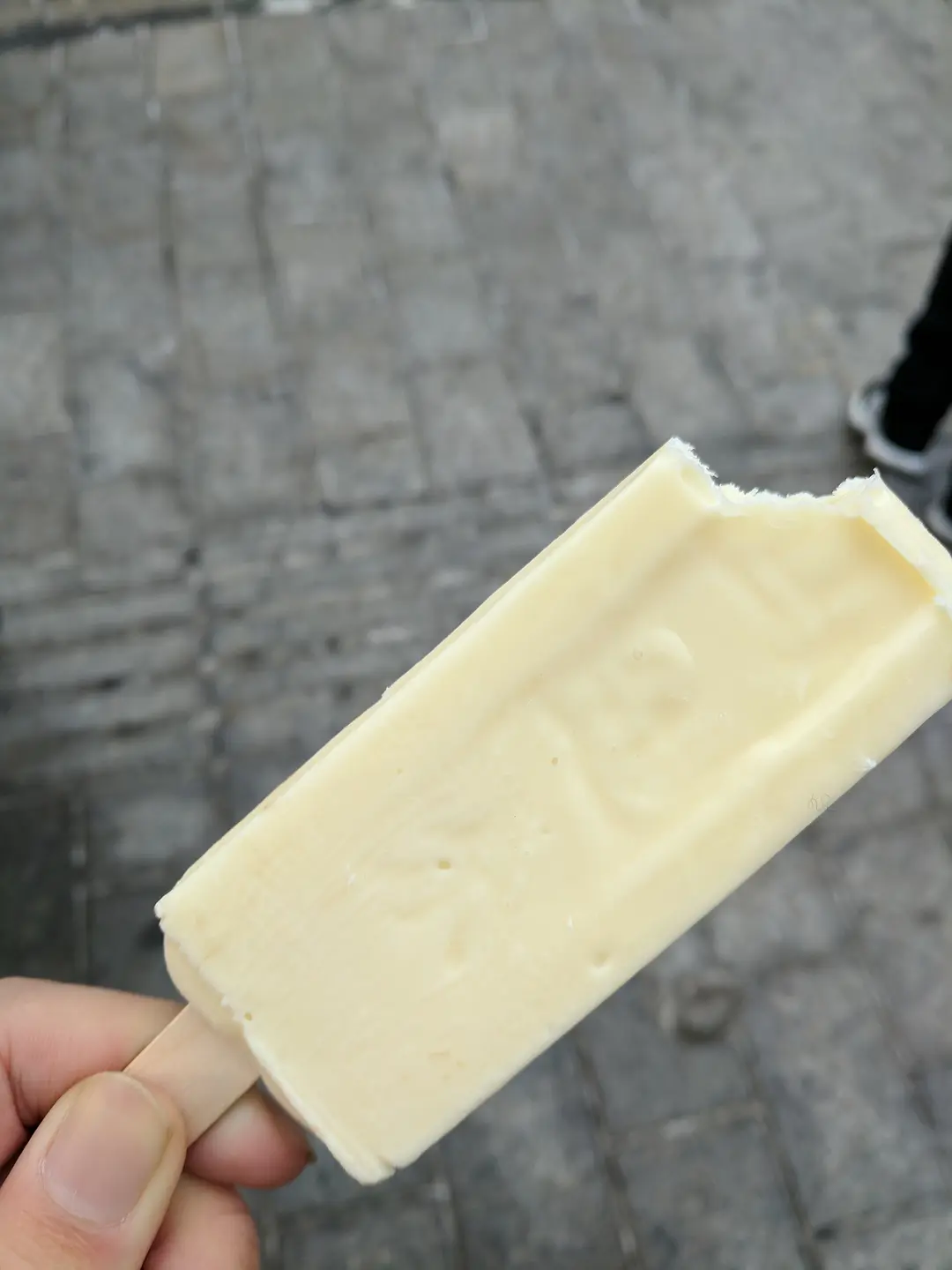
An ice pop sold on Central Street, vanilla being the favorite, which locals eat even in midwinter.
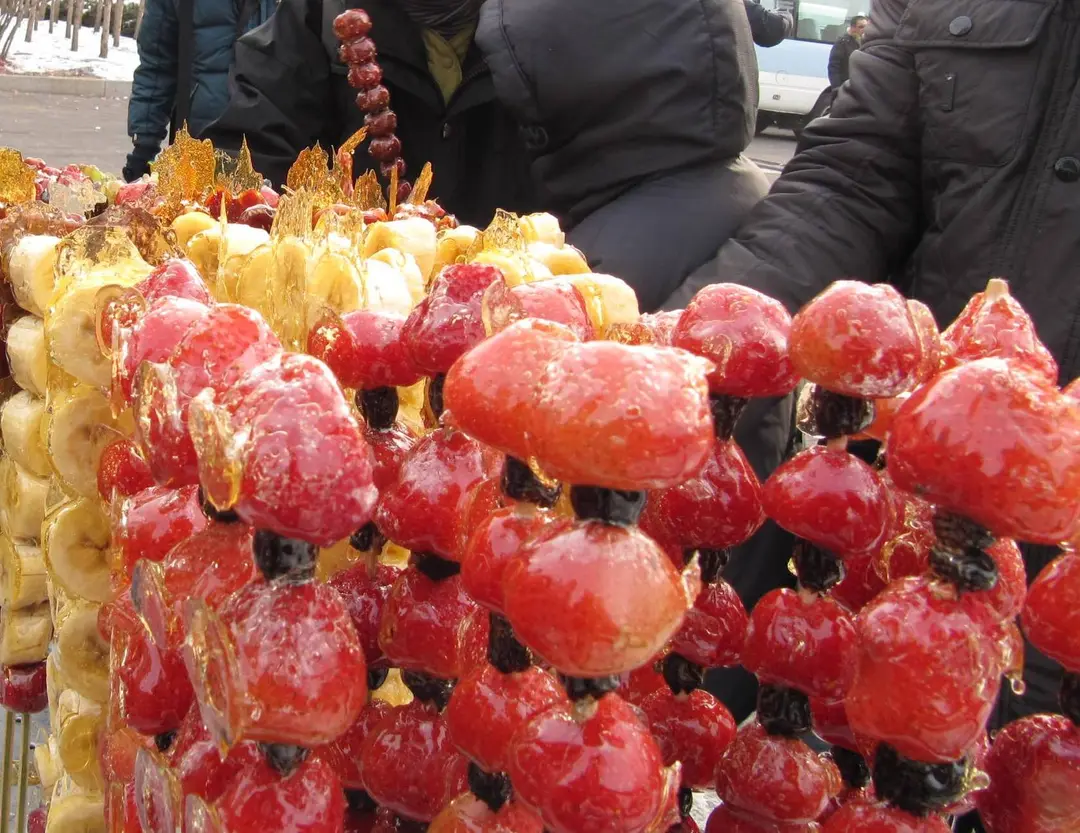
Hawthorns and other fruit on skewers in a hard sugar shell, a winter street snack.
Harbin is the capital of Heilongjiang, China’s northernmost province, and its winters are long and hard. That cold is the reason most visitors come: from late December, whole palaces of lit ice go up across the Songhua River at Ice and Snow World, and large snow sculptures fill Sun Island. Back in town, Central Street and St Sophia Cathedral show the European-style buildings of the early 1900s, when Harbin had a large Russian community.
Summer is the quiet second season. July averages about 24°C, the river fills with boats, and musicians play from the balconies on Central Street. Harbin suits travelers who can handle real cold in winter, and it is an easy add-on to Beijing, about four and a half hours away by high-speed train.
In winter, spend the first morning on Central Street and at St Sophia, then warm up over guobaorou and stew. Take Metro Line 2 across the river in the mid-afternoon and stay at Ice and Snow World until after dark, when the lights come on. On the second day, see the snow sculptures on Sun Island while the light is good, then go on to the Tiger Park, which closes in the late afternoon.
In summer, the same two days work at a slower pace: Central Street and St Sophia, a boat on the Songhua, an afternoon in the green of Sun Island, and the indoor ice hall at Ice and Snow World if you want a taste of winter. Set up Alipay or WeChat Pay before you go with the paying in China guide.
Checked on 29 October 2026. Opening times and ticket rules change; confirm on the official site before you go.
The 2026–27 opening dates for Harbin Ice and Snow World and the Sun Island snow expo had not been announced by late October 2026. They usually open in late December; last season Ice and Snow World opened on December 17 and Sun Island on December 31.
Late December to mid-February is the season for Harbin's ice and snow parks, and June to August brings mild summers, with July averaging about 24°C. Last season Ice and Snow World closed early, on February 21, after a warm spell, so plan a winter visit before mid-February.
January lows in Harbin average about −22°C, and it gets dark around 16:00. Wear thermal layers, a hat, a face cover, thick gloves and insulated boots, and keep your phone inside your coat, since cold drains batteries fast.
Two to three days. In winter, give one day to Central Street, St Sophia Cathedral and Ice and Snow World after dark, and a second to the Sun Island snow sculptures and the Siberian Tiger Park.
High-speed trains from Beijing Chaoyang to Harbin West take about 4.5 hours, and flights from Beijing to Taiping Airport take about 2 hours. Our high-speed trains guide explains booking with a passport.
Yes, as a quieter second season. July averages about 24°C, boats run on the Songhua River, musicians play on Central Street, and an indoor ice hall at Ice and Snow World is kept at about −10°C.
Yes. Last season Ice and Snow World sold tickets to passport holders and accepted overseas payment methods. Buy only through official channels or trusted platforms, using each traveler's own passport details.
A host who lives in Harbin can take care of as much or as little as you like. Pick what you need; it all comes back as one plan and one price.
Tell us your dates and which cities you have in mind. A host replies within 24 hours with a day-by-day plan that fits Harbin in, and a price.
Plan your trip