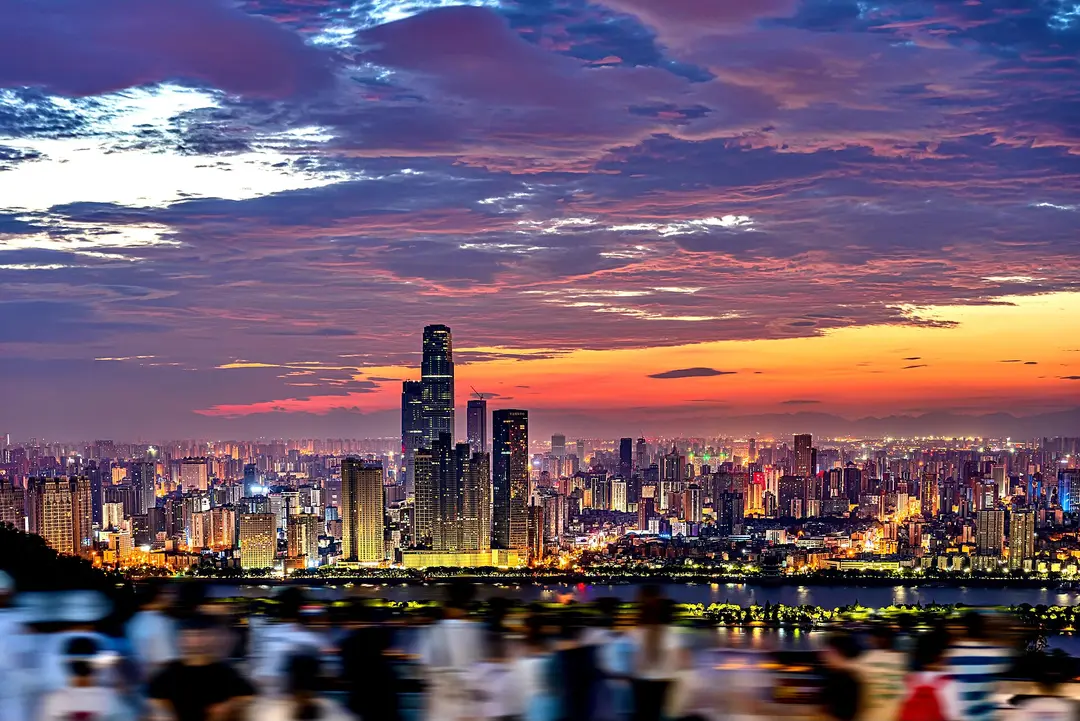
A hot, spicy river city with a first-rate museum, a wooded hill of old academies and food streets that stay busy late.
A hot, spicy river city with a first-rate museum, a wooded hill of old academies and food streets that stay busy late.
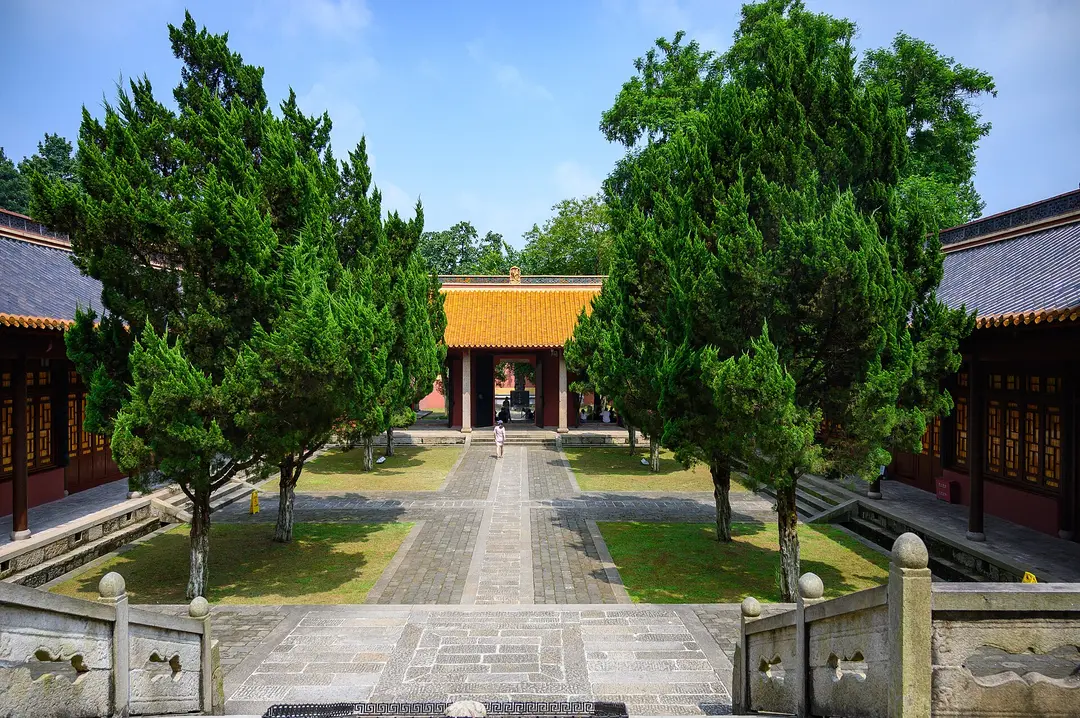
The Mawangdui galleries show the contents of three Han-dynasty tombs excavated in 1972–74: silk clothing, lacquerware and the preserved body of Xin Zhui, wife of the local chancellor, who died around 168 BC. The permanent galleries are free, but you must book a timed, real-name slot ahead.
A 5 km island in the Xiang River with lawns, river views and a giant sculpture of the young Mao Zedong at its tip. Free to enter; Metro Line 2 stops at Juzizhou station under the island, and paid electric carts run its length.
A school founded in 976 on the eastern slope of Yuelu Mountain and now part of Hunan University, with lecture halls, a library tower and quiet courtyards. Paid entry; open 7:50–17:30, or until 18:00 from May 1 to November 16. Metro Line 4 to Hunan University.
The wooded hill behind the academy, free to enter, with paths up to Aiwan Pavilion and views over the river and city. A paid cable car and shuttle buses save the climb.
The streets around Wuyi Square, especially Pozi Street and the Huangxing Road pedestrian street, are the city's busiest eating area from late afternoon until late at night, packed with snack stalls and Hunan restaurants. Metro Lines 1 and 2 to Wuyi Square.
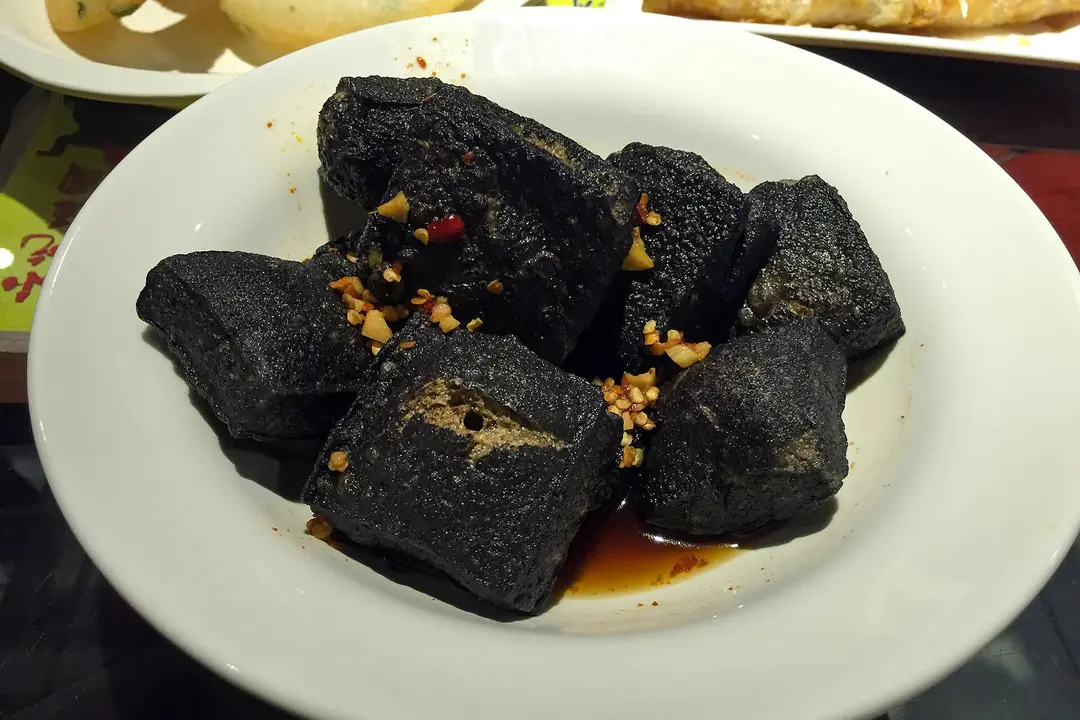
Fermented tofu fried until black and crackling, then topped with chili, garlic and chopped greens; it smells stronger than it tastes.
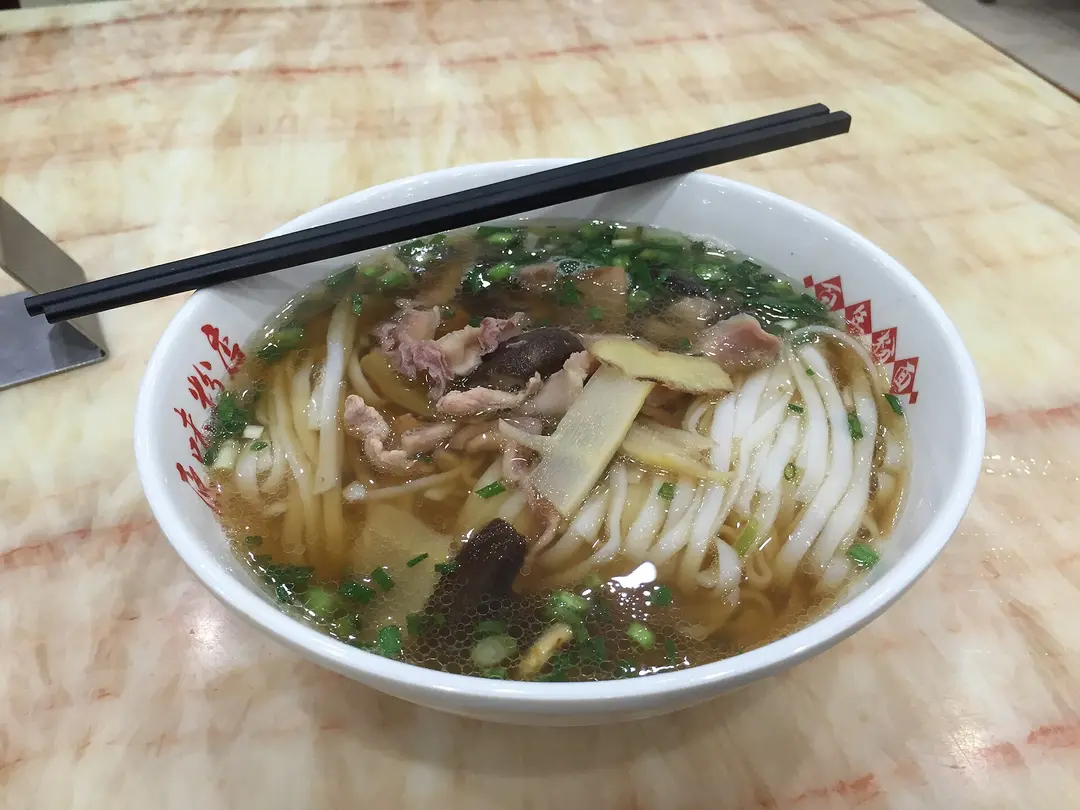
Flat rice noodles in a clear broth under a choice of toppings, from braised pork to sliced beef.
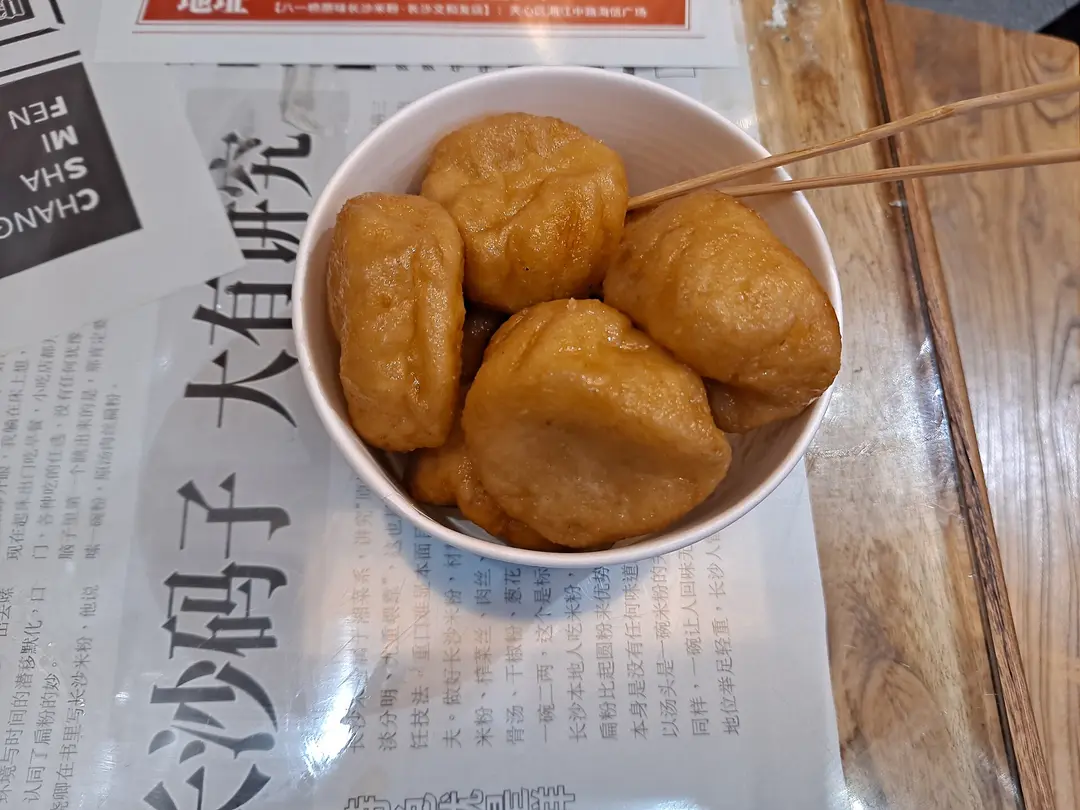
Glutinous rice cakes fried in oil and coated in caramelized sugar syrup, sold hot from street stalls.
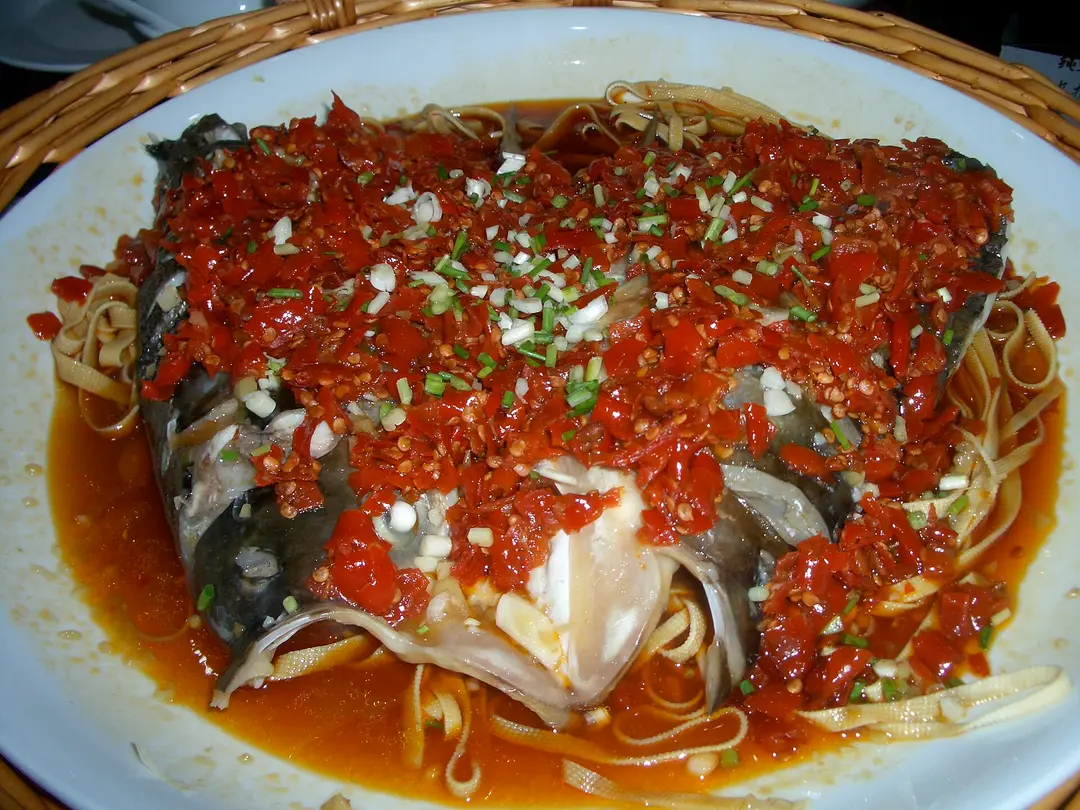
A large fish head steamed under a thick layer of salted chopped red chilies, one of Hunan cooking's best-known dishes.
Changsha is the capital of Hunan, a big, warm river city best known in China for fiery food and late nights. For visitors, the main reason to come is the Hunan Museum, where the finds from the Mawangdui tombs, among them 2,000-year-old silk and lacquer and the preserved body of a Han-dynasty noblewoman, are some of the most remarkable in the country. Across the Xiang River, Orange Isle and the wooded slopes of Yuelu Mountain give you open space, and an old academy that has taught students for more than a thousand years.
It suits travelers who like museums and spicy food, and it works best as a stop on the way to Zhangjiajie, about two hours away by train. It sits on the high-speed line between Beijing and Guangzhou, about two hours from Guangzhou.
Book the museum before you arrive, then give a morning to the Mawangdui galleries. After lunch, take Metro Line 2 to Orange Isle and walk out to the sculpture at its tip. In the evening, eat your way around Pozi Street and the lanes off Wuyi Square: stinky tofu, sugar-oil baba and a bowl of rice noodles.
On the second day, cross to the west bank for Yuelu Academy, then walk or take the cable car up Yuelu Mountain. Catch an afternoon train from Changsha Station to Zhangjiajie West. Our high-speed train guide explains booking with a passport, and paying in China covers setting up Alipay for the metro and the museum booking.
Checked on 29 October 2026. Opening times and ticket rules change; confirm on the official site before you go.
A host who lives in Changsha can take care of as much or as little as you like. Pick what you need; it all comes back as one plan and one price.
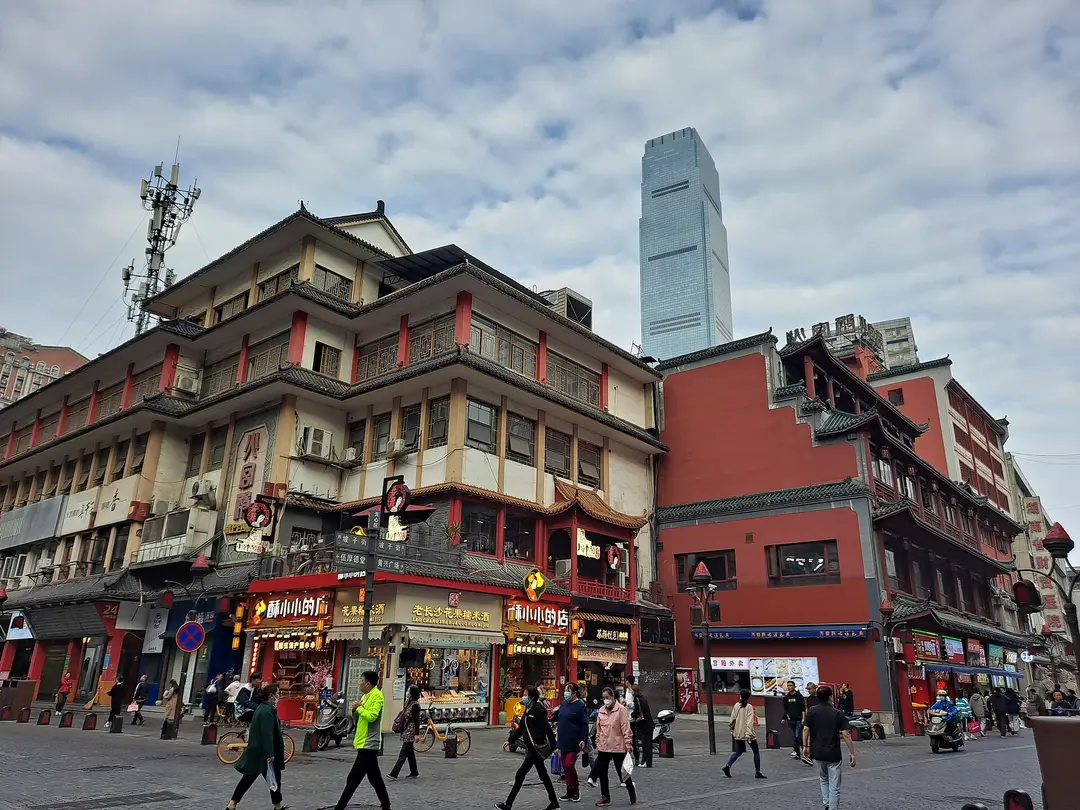
Tell us your dates and which cities you have in mind. A host replies within 24 hours with a day-by-day plan that fits Changsha in, and a price.
Plan your trip