A green, easygoing provincial capital of old lanes, lakes and hills, about an hour by fast train from Xiamen.
A green, easygoing provincial capital of old lanes, lakes and hills, about an hour by fast train from Xiamen.
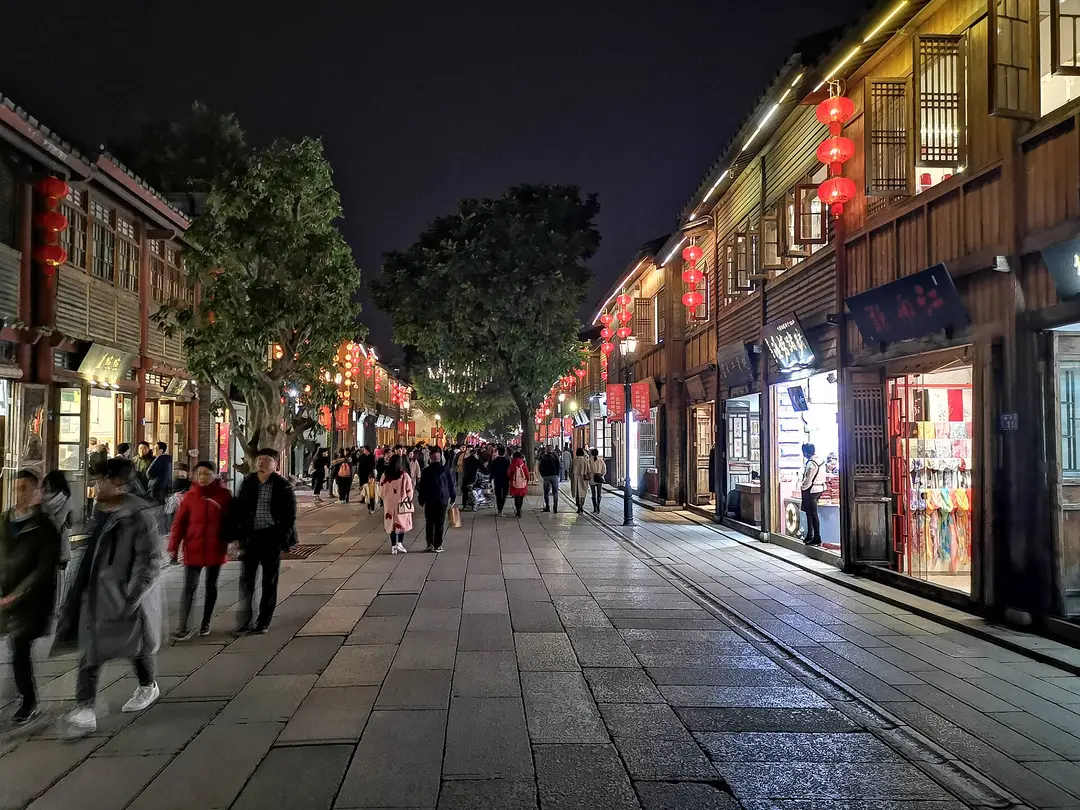
Sanfang Qixiang, a block of Ming- and Qing-era lanes of walled houses around Nanhou Street, near Dongjiekou metro station. The lanes are free and open all day; some former residences and exhibition halls charge small separate fees.
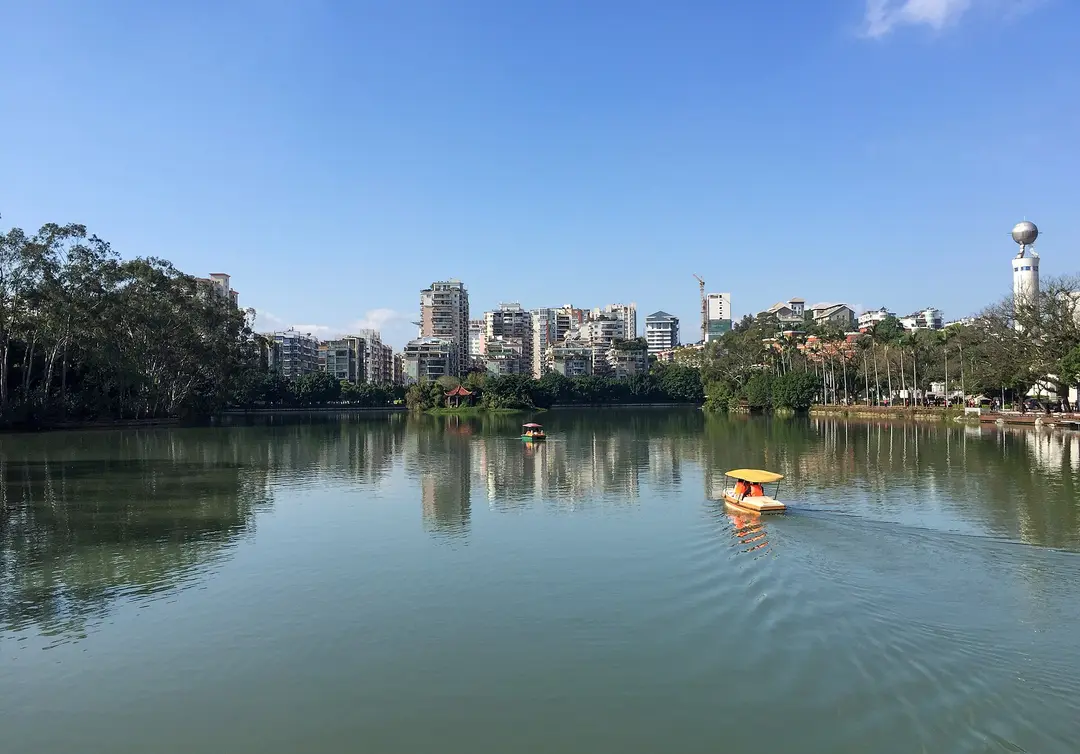
A large free park around an old lake, with bridges, islets and willows, open 5:30–22:30. The Fujian Museum stands on its north side.
The old merchant quarter near the Min River's Taijiang wharf, where jasmine tea was once shipped overseas: Ming and Qing houses and stone lanes, now with teahouses, shops and a jasmine tea museum. Self-drive electric boats run on the small Sanjie River here.
A hillside district across the Min River in Cangshan, where foreign consulates, churches and trading houses were built from 1844. Many old buildings have been restored as shops, cafés and galleries.
Evening cruises on the Min River pass the lit bridges and riverfront. Sailings depend on tides and weather, and times and prices vary by operator, so check at the pier on the day.
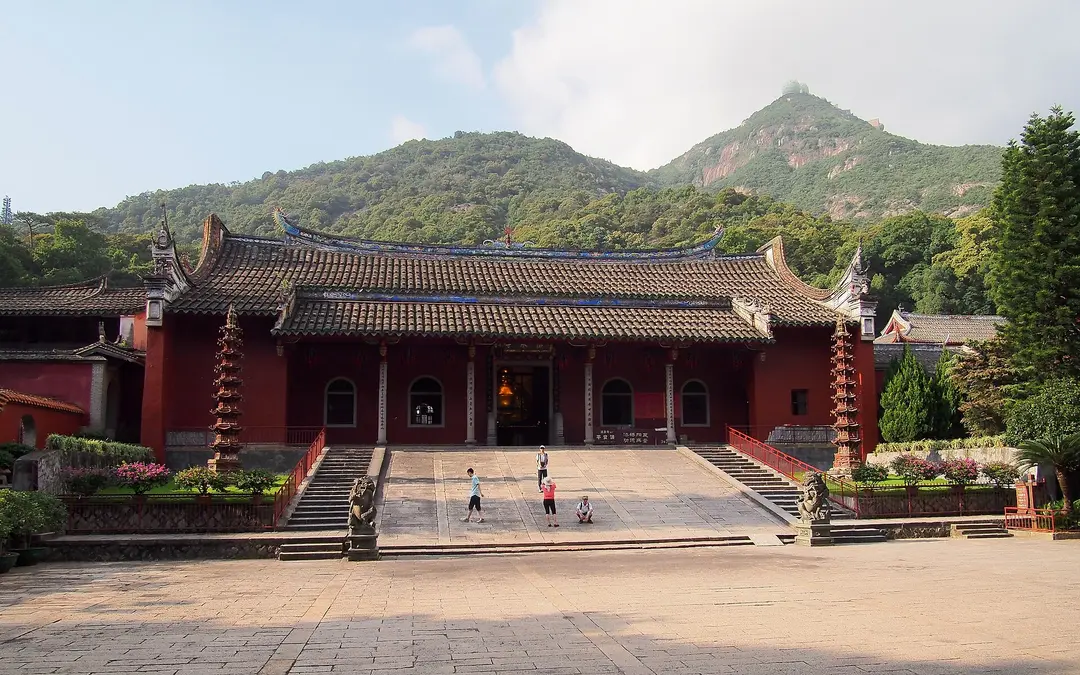
Gushan (Drum Mountain), on the city's eastern edge, is free to walk; a stone path of about 2,600 steps climbs to Yongquan Temple, a large Buddhist monastery that charges ¥40. A cable car and shuttle buses save the climb.
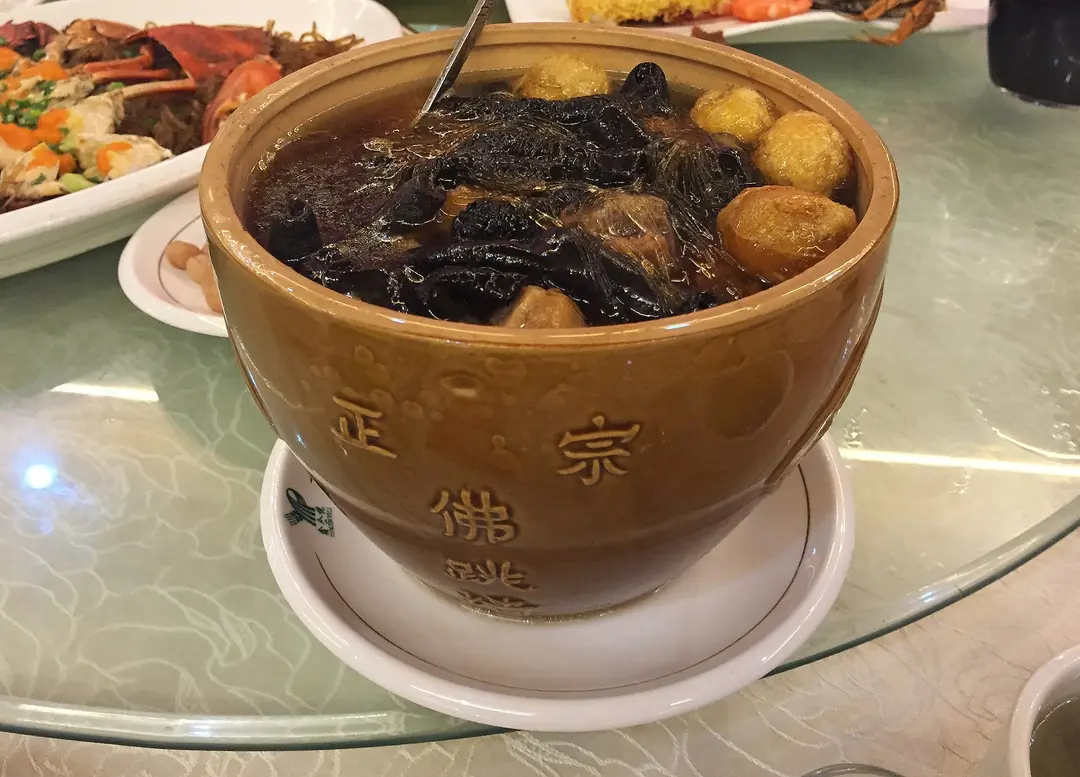
Fuzhou's banquet dish: more than twenty ingredients such as abalone, sea cucumber, scallops and mushrooms, slow-cooked for hours in a clay jar.
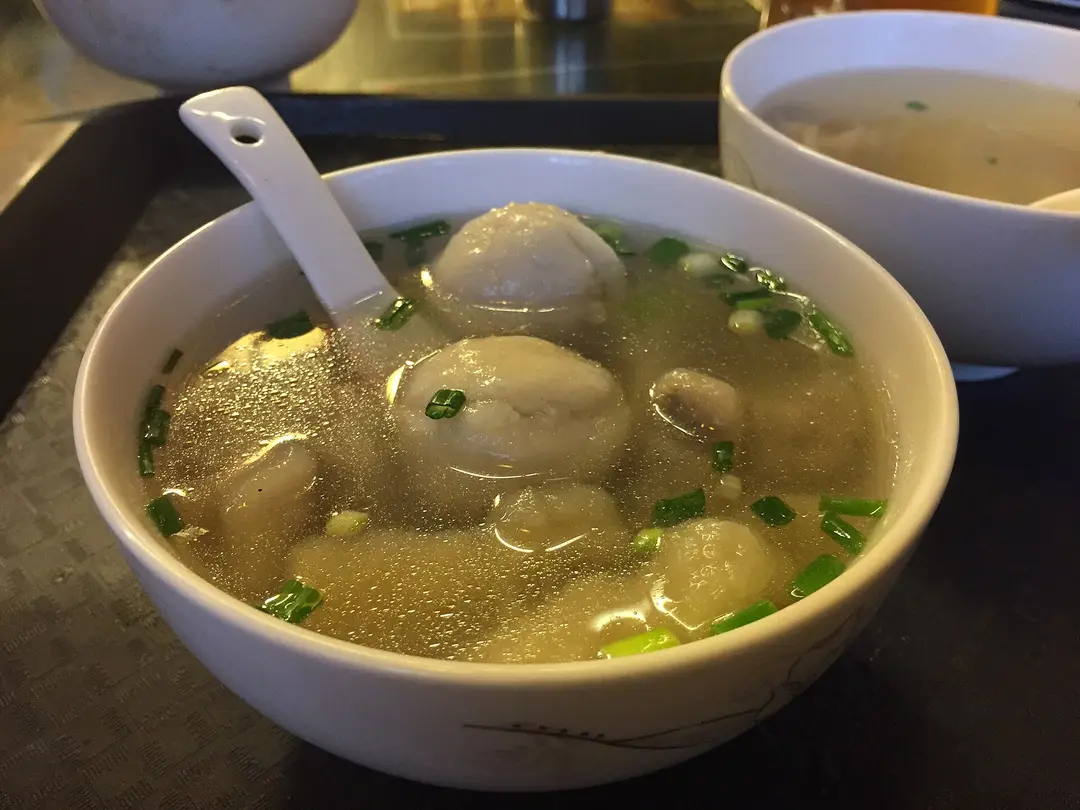
Springy balls of fish paste and sweet potato starch with a minced pork filling, served in clear soup with scallions.
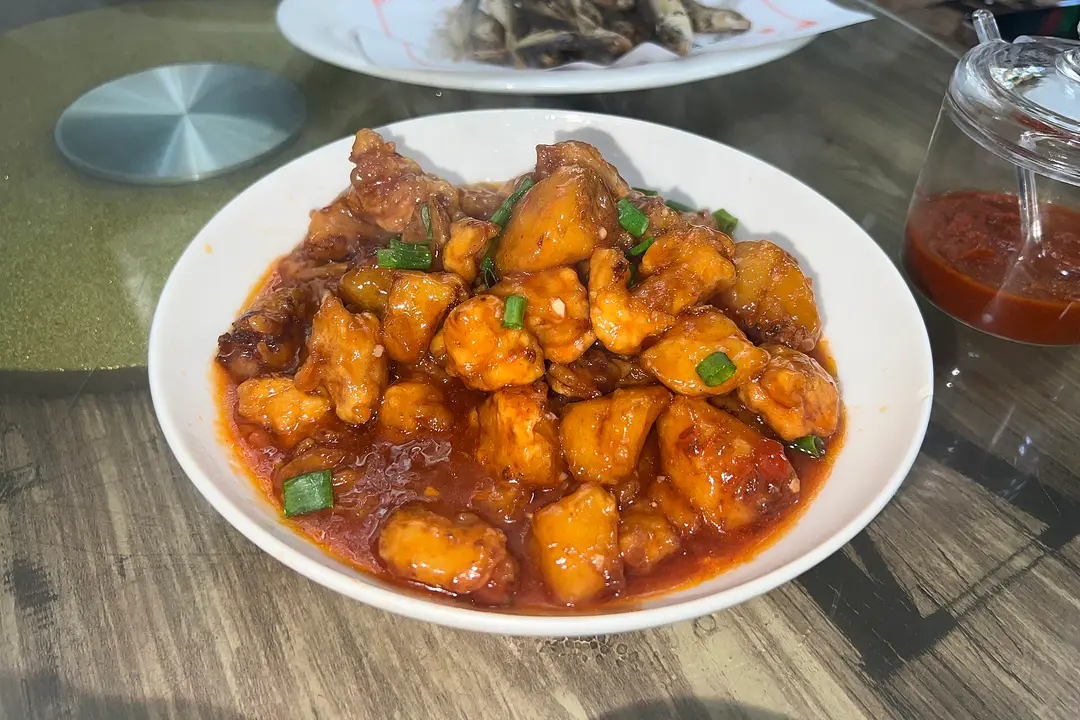
Scored pork pieces fried until they curl like lychees, then glazed in a sweet-and-sour sauce with red fermented rice and vinegar.
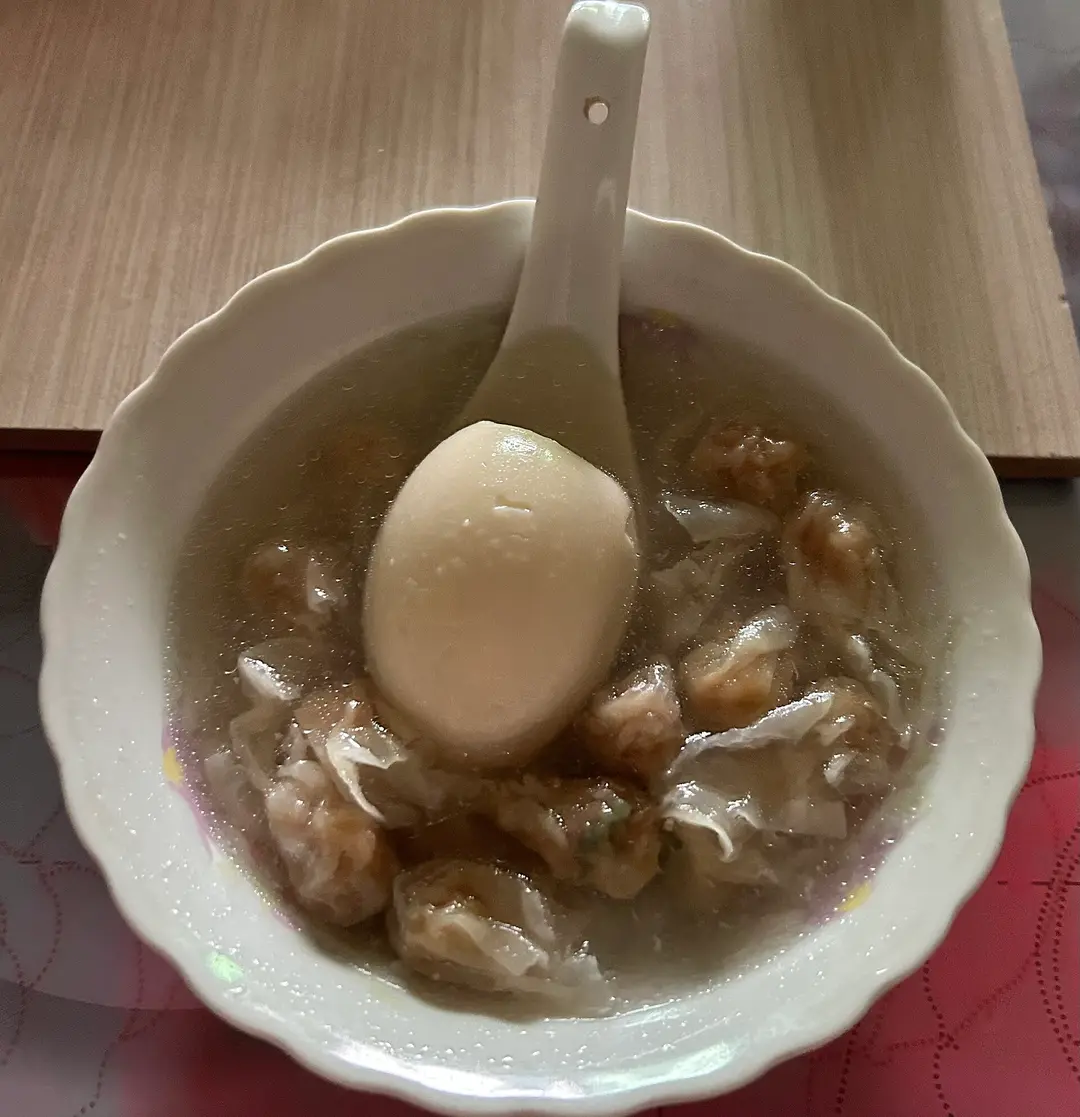
Wontons whose thin wrapper is made from pounded pork and sweet potato starch, served in soup; with duck eggs added it becomes taiping yan, a festive dish.
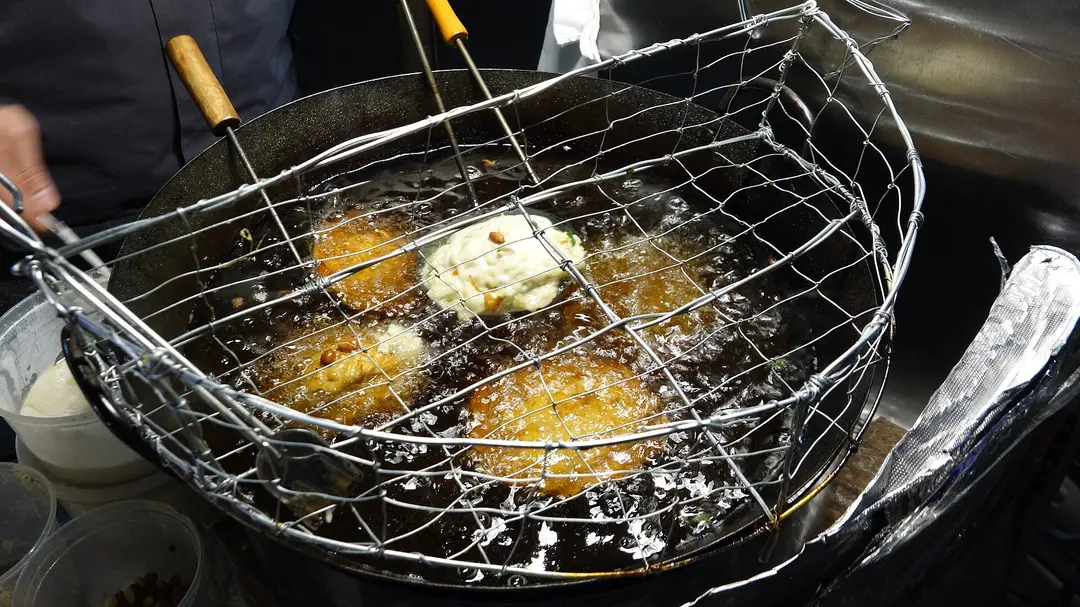
A street snack of rice and soybean batter around oysters, minced pork and cabbage, deep-fried until crisp and often eaten with a bowl of soup.
Fuzhou is the capital of Fujian province, on the Min River a short way inland from the coast. It is a large, green and fairly relaxed city, and it suits travelers who want a day or two of old lanes, lakes, temples and good food between bigger stops. Most visitors pair it with Xiamen, about an hour south by fast train.
Its old center is well kept and easy to walk: the Three Lanes and Seven Alleys, West Lake Park and the riverside merchant quarter of Shangxiahang sit within a few kilometers of each other. Fuzhou also has its own cooking, built on soups, seafood and sweet-and-sour sauces, with cheap snacks such as fish balls and oyster cakes.
Arrive from Shanghai by high-speed train and start at the Three Lanes and Seven Alleys, by Dongjiekou metro station. Walk or take a short taxi ride to West Lake Park for the afternoon, then take a taxi or DiDi to Shangxiahang for dinner and a bowl of fish ball soup. If the river is running, finish with an evening boat on the Min, or cross to Yantai Hill for its old consulate streets and cafés.
Give a second morning to Gushan: ride Metro Line 2 and a bus to the foot of the mountain, climb or take the cable car to Yongquan Temple, and come down by early afternoon. Then catch a train from Fuzhou South to Xiamen North. Set up Alipay before you arrive for the metro, taxis and meals; the paying in China guide explains how.
Checked on 29 October 2026. Opening times and ticket rules change; confirm on the official site before you go.
A host who lives in Fuzhou can take care of as much or as little as you like. Pick what you need; it all comes back as one plan and one price.
Tell us your dates and which cities you have in mind. A host replies within 24 hours with a day-by-day plan that fits Fuzhou in, and a price.
Plan your trip