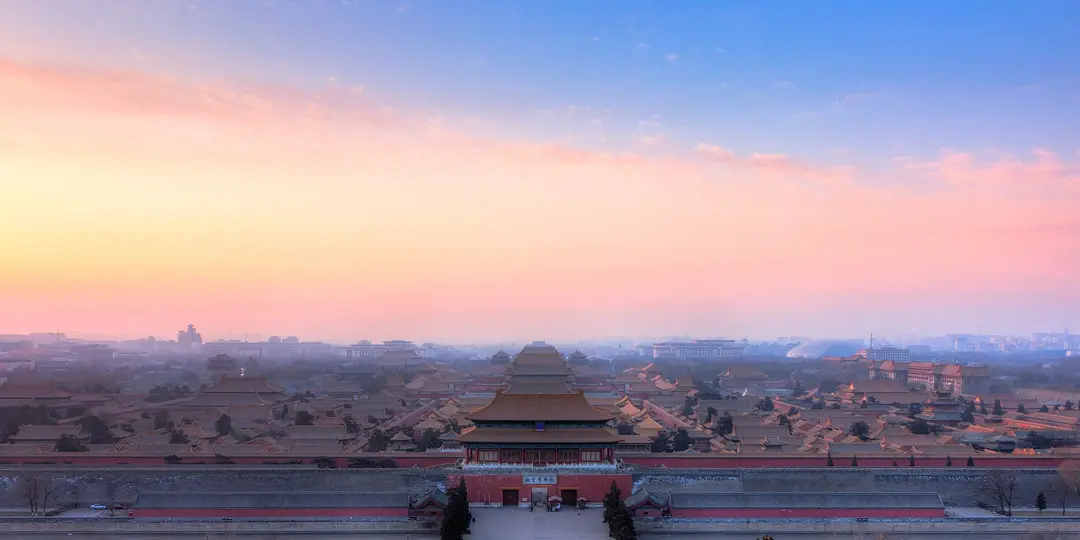
Beijing has been China’s capital for most of the last 800 years, and the old city was laid out to show it. A north-south axis runs from the Temple of Heaven through Tiananmen and the Forbidden City to the Drum and Bell Towers. Around it are walled palaces, temple parks and the lanes where ordinary people lived.
The modern city is huge, with ring roads, office towers and a subway network of nearly thirty lines. For a first visit, though, almost everything you want is inside the second ring road or on a single day trip to the Great Wall. Three or four days is enough to see the classics without rushing.
The city in brief
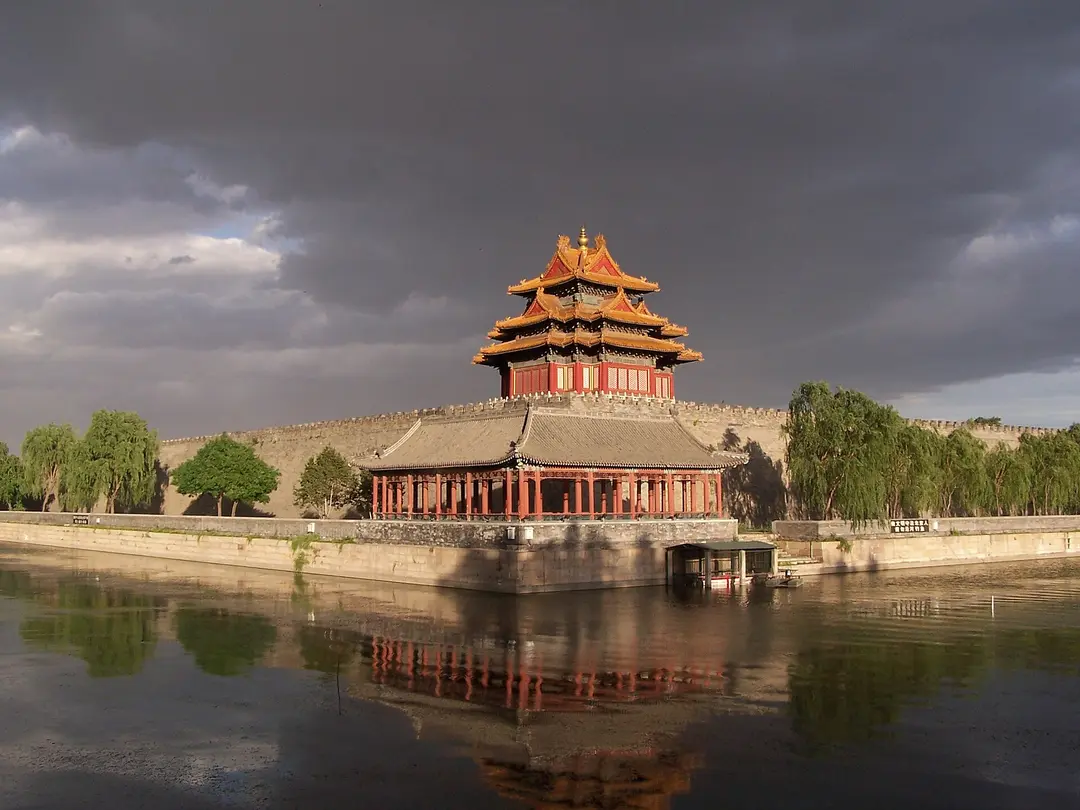
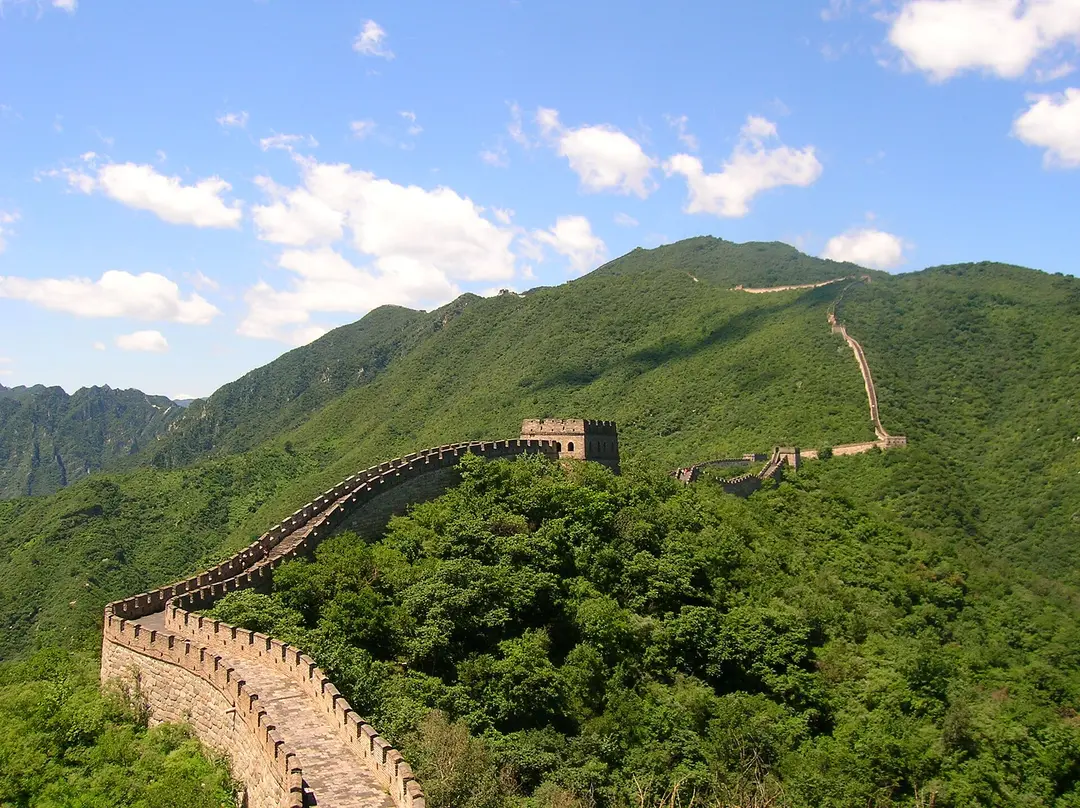
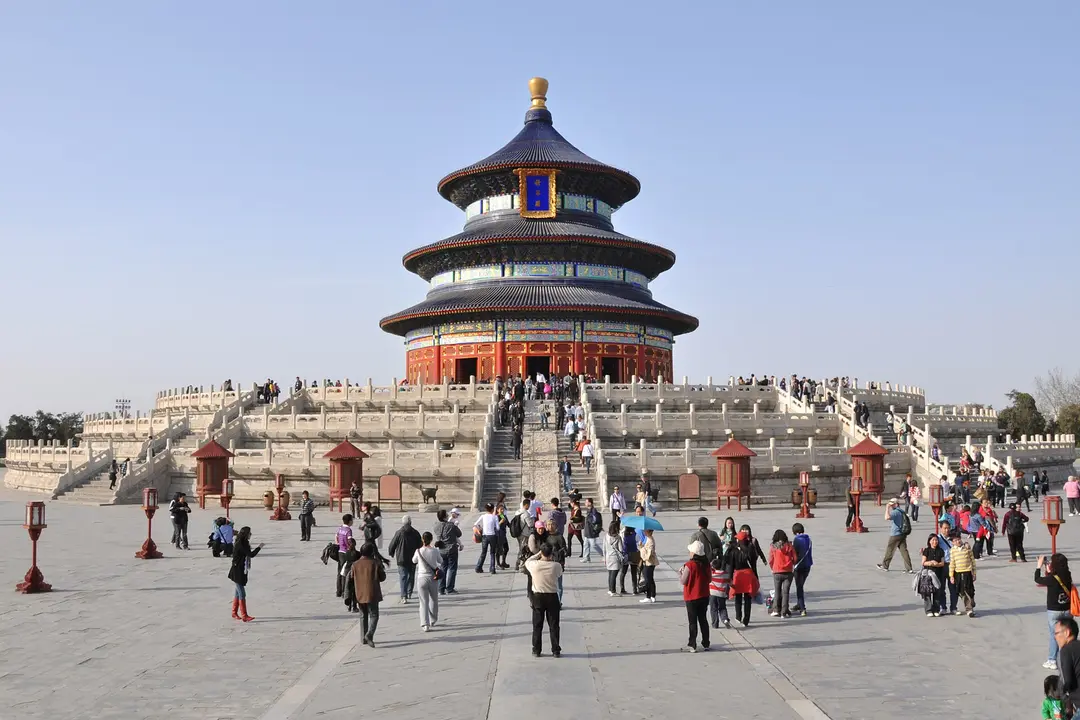
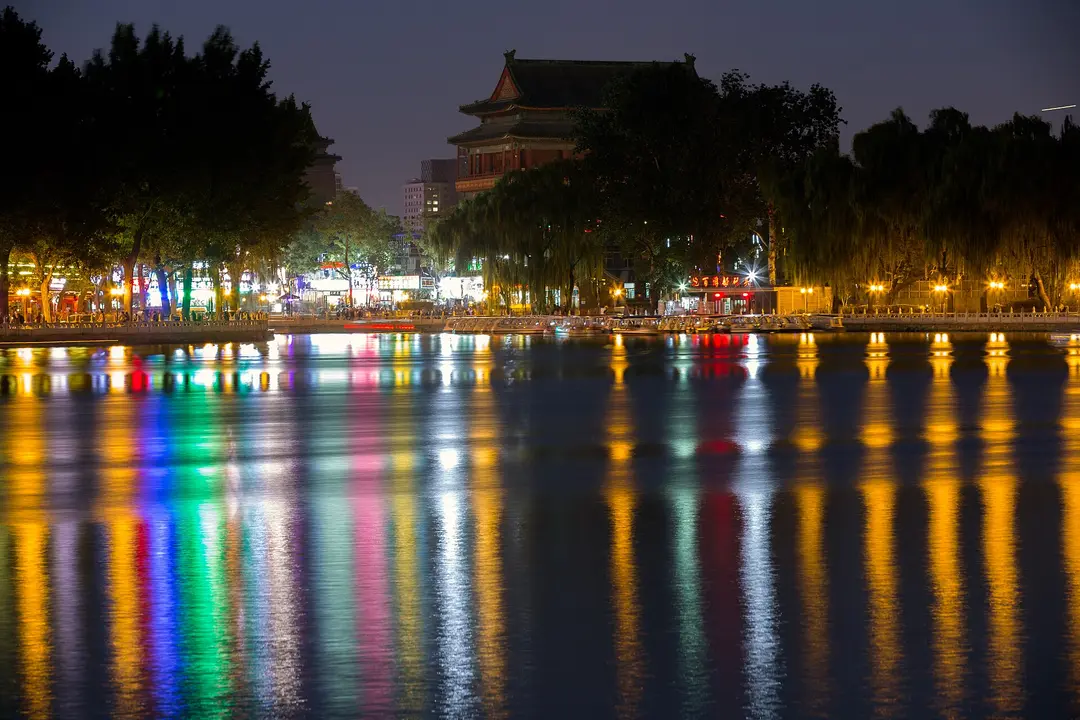
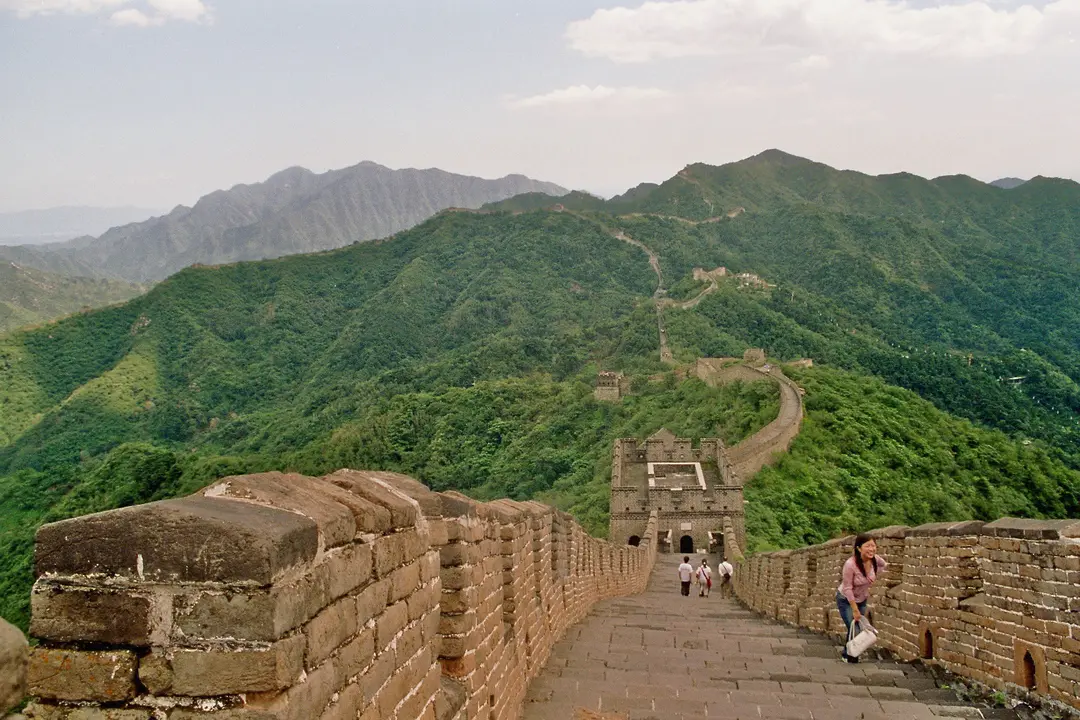
Most visitors come for four things. The Forbidden City is the imperial palace, now the Palace Museum. The Great Wall at Mutianyu is the restored section best suited to a first visit, about 70 km away. The Temple of Heaven is a park of old cypresses and round altars where locals come to exercise each morning. The Hutongs of Beijing around Shichahai and the Drum Tower are old lanes and lakes for an unhurried walk.
The common thread is booking. The Forbidden City, the Temple of Heaven halls and Mutianyu all use real-name tickets tied to your passport, and the Forbidden City sells out days in advance. Book before you travel and carry your passport every day.
When to go
Spring (April and May) and autumn (September and October) are the best months, with mild temperatures and mostly clear skies. October brings autumn color to the hills around the Great Wall. March can be windy, with occasional dust.
Summer is hot and humid, with afternoon thunderstorms, and July and August are busy with school holidays. Winter is cold and dry, often below freezing at night, but skies are clear and crowds thin.
Avoid Chinese public holidays if you can, especially the National Day week from October 1, the days around May 1 and Chinese New Year. Sights are crowded, tickets go fast and hotel prices rise.
Three days in Beijing
Day one: the central axis. Be at the Meridian Gate for the 8:30 opening of the Forbidden City and spend the morning walking south to north. Leave by the north gate and climb Jingshan hill opposite for the view back over the roofs (foreign visitors book Jingshan by phone a day ahead). Take a short taxi ride north to the hutongs, then climb the Drum Tower and end the day by the Shichahai lakes as the lights come on. The Forbidden City is closed on Mondays, so plan this day for Tuesday to Sunday.
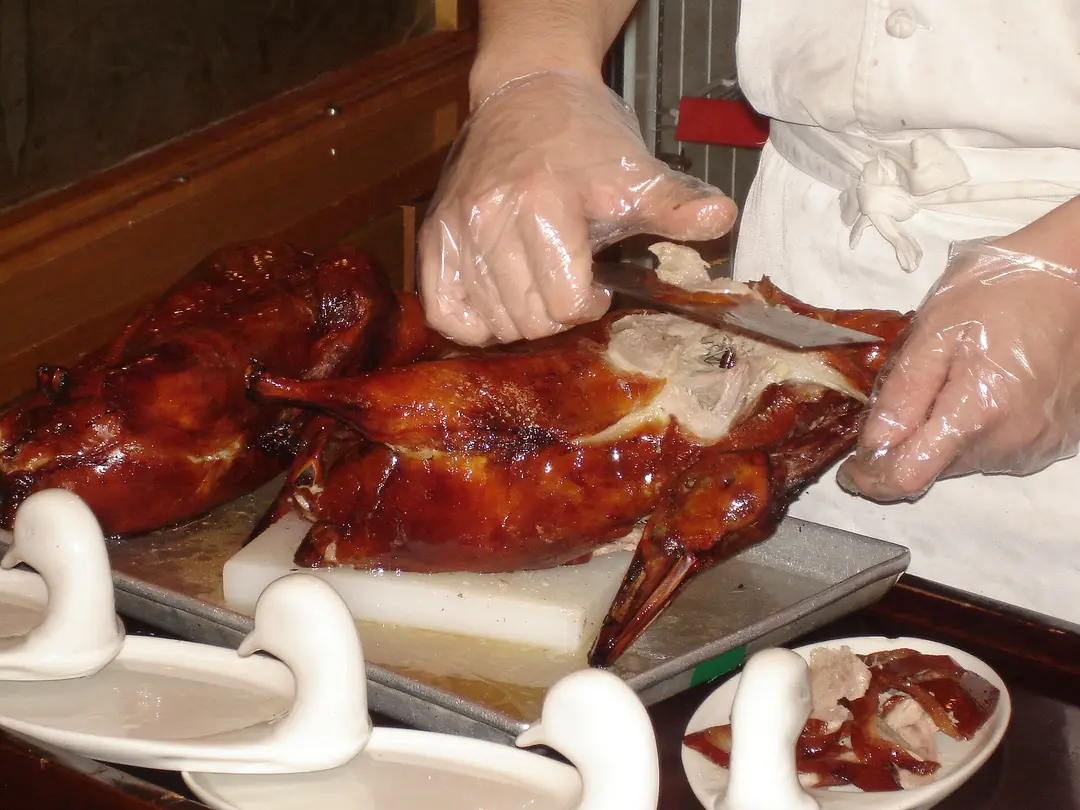
Day two: the Great Wall. Leave early by hired car or day tour for Mutianyu and spend three to four hours there. Ride the cable car up, walk the wall, and take the toboggan down. You are back in the city by late afternoon. Have Peking duck for dinner.
Day three: the Temple of Heaven and Qianmen. Arrive at the Temple of Heaven around 7:30 to see the morning tai chi and singing, then visit the halls when they open at 8:00. The halls are closed on Mondays, but the park is open. In the afternoon, walk north through Qianmen to Tiananmen Square, or spend the time in a museum or one of the city’s large parks.
A fourth day leaves room for the Summer Palace, the Lama Temple, or simply more time in the lanes.
Getting around
The subway is the easiest way to move around. You can tap a contactless Visa, Mastercard, JCB or American Express card at any gate, including on the airport express lines, with no ticket or app needed. Station names and main signs are also in English.
Taxis are plentiful and metered. Ride-hailing apps are often easier than hailing on the street, since you can type or paste the destination in Chinese. Our apps and internet guide covers what to install before you go.
From Capital Airport, the Airport Express runs to Sanyuanqiao and Dongzhimen in about 20 to 25 minutes. From Daxing Airport, the Daxing Airport Express runs to Caoqiao on Line 10 in about 20 to 30 minutes, then it is another 30 to 40 minutes to the center. A taxi from either airport takes about an hour, more at rush hour.
High-speed trains to Shanghai leave from Beijing South. Trains to Xi’an and Chengdu leave from Beijing West. See our high-speed trains guide for booking.
Practical notes
Entry rules for short visits have changed several times in recent years. Check the current position for your passport in our visa-free entry guide.
Carry your passport whenever you go sightseeing. At most major sights it is your ticket, and the name on it must match your booking.
Most restaurants and shops expect Alipay or WeChat Pay. Both accept linked foreign cards. Carry some cash for small stalls. The paying in China guide walks through the setup, and the Beijing food guide covers what to eat and where.
Walking distances are long, even inside one sight. Comfortable shoes matter more here than almost anywhere else in China.
If you would like help fitting these days together, see plan your trip.
Checked on 29 October 2026.