A high plateau of monasteries, turquoise lakes and Everest views, open to foreign visitors on a permit and guided tour.
A high plateau of monasteries, turquoise lakes and Everest views, open to foreign visitors on a permit and guided tour.
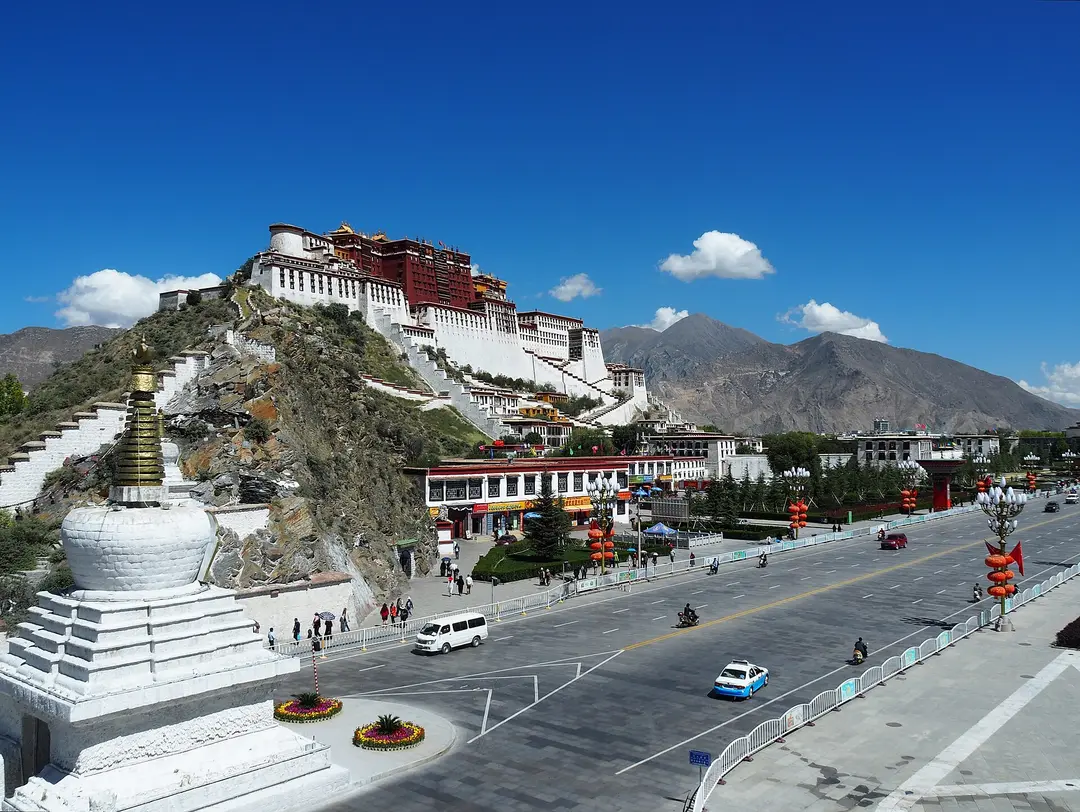
The white and red palace on the hill above central Lhasa. Tickets are real-name, for a set entry time and capped each day; the full route costs ¥200 from May to October and ¥100 from November to April. Last entry is 15:40 in summer and 15:20 in winter, and it closes on Mondays except public holidays.
Tibet's most revered temple, in Lhasa's old town, ringed by the Barkhor, the street circuit that pilgrims walk clockwise. Until about 11:30 the temple is mainly open to pilgrims; entry is ¥85.
A large monastery about 5 km north of the center. Monks debate in a walled courtyard from 15:00 to 17:00, Monday to Saturday, but not on Sundays or major festivals; arrive by 14:30. Phone photos are allowed, without flash.
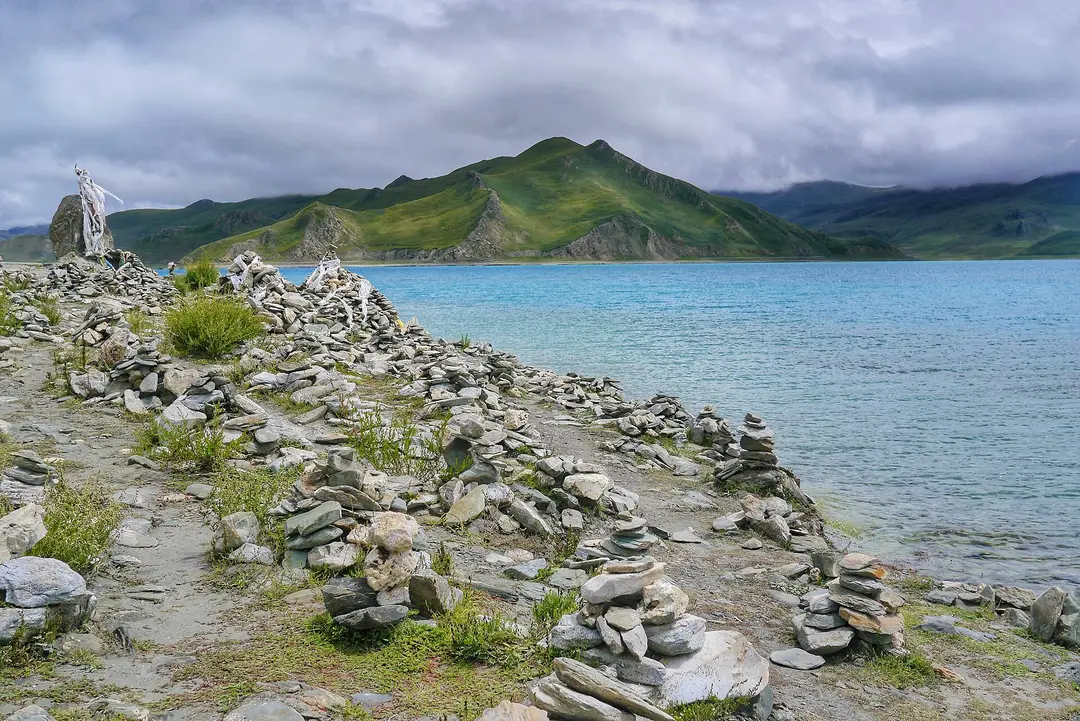
A turquoise lake at 4,441 m, about 110 km and 2–3 hours by road from Lhasa, seen from a viewpoint at the Kamba La pass (4,990 m). It is usually a stop on the drive to Shigatse.
A vast lake at 4,718 m, about 4–5 hours by road north of Lhasa and more than 1,000 m higher than the city, so leave it until you have acclimatized. It is best from May to September; from November to April it is frozen and the road icy.
Tibet's second city, about 2–2.5 hours from Lhasa by train. Tashilhunpo Monastery, founded in 1447, holds a 26-meter bronze statue of the Maitreya Buddha.
The north side of Everest, at about 5,200 m and some 650 km by road from Lhasa, reached over several days via Shigatse. Tourists can go only as far as the Rongbuk Monastery area, by eco bus for the last stretch, and need extra permits. Access changes from season to season, so we confirm it when we apply for your permits; the tent guesthouses close from about November to March.
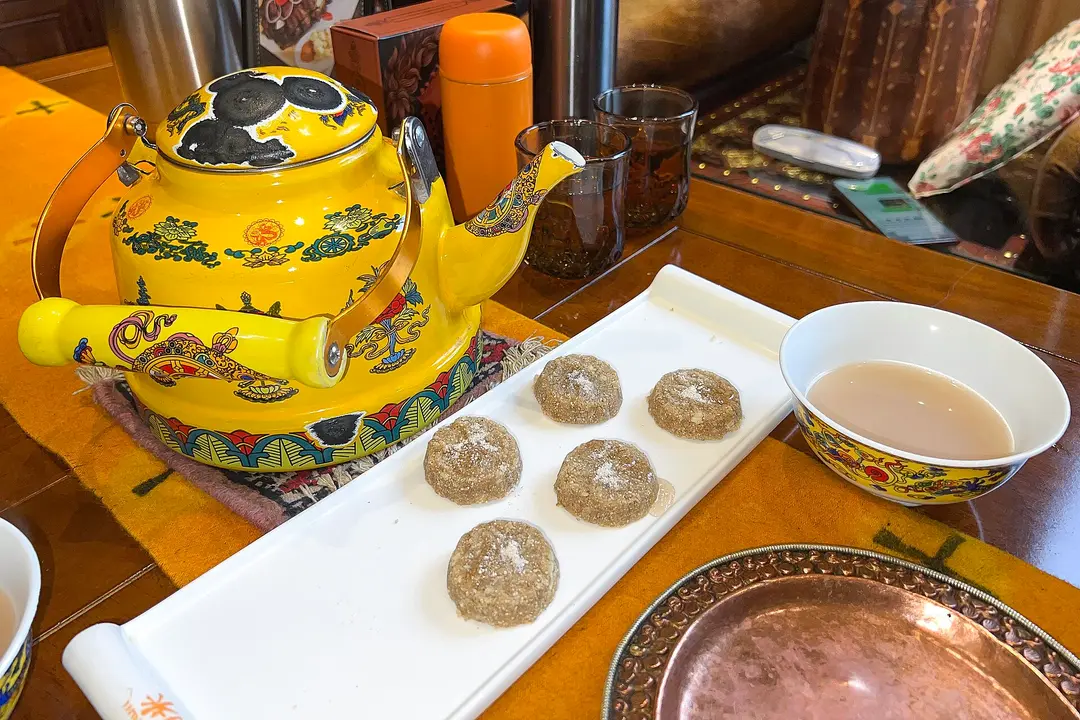
Roasted highland barley flour, mixed with butter tea and kneaded by hand into small balls, the Tibetan staple.
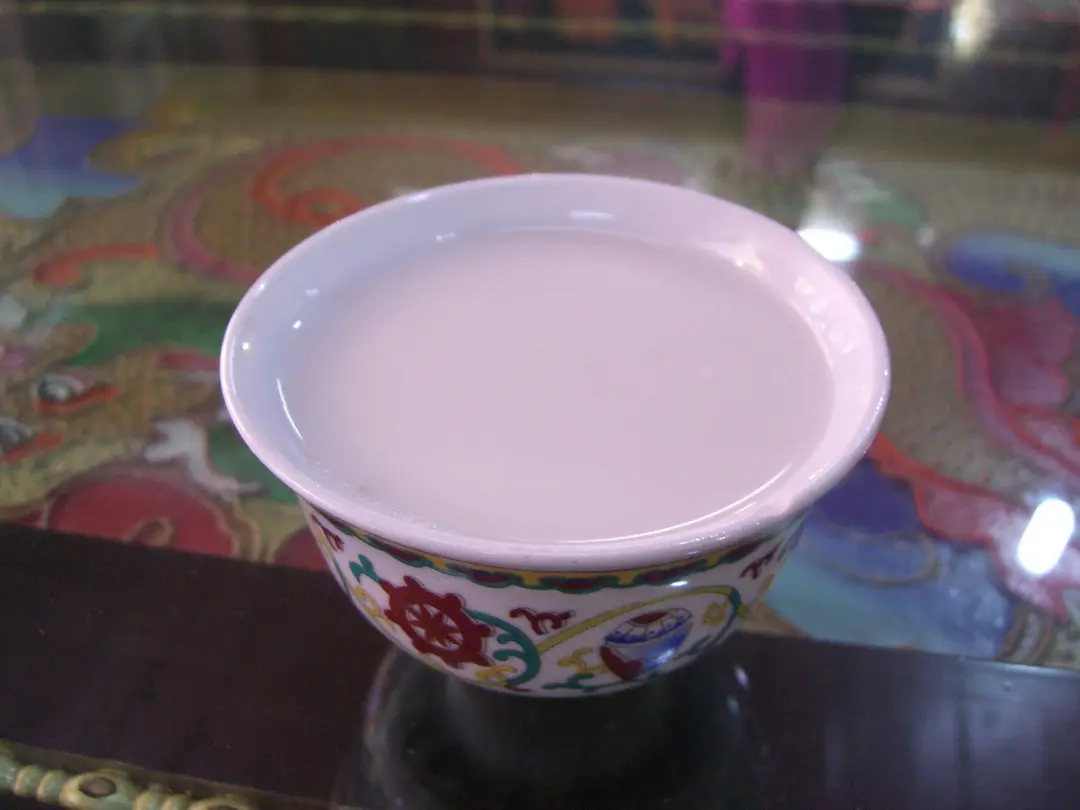
Strong tea churned with yak butter and salt, drunk through the day and offered to every guest.
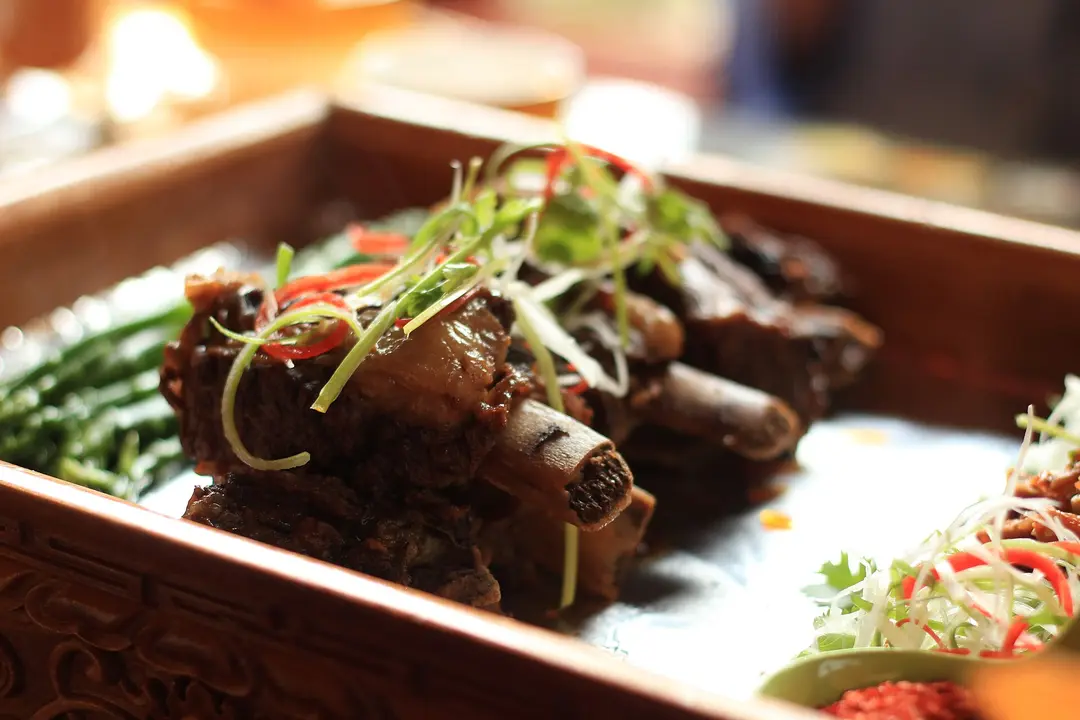
Lean yak meat, stewed on the bone, air-dried into chewy strips or used as the filling for dumplings and noodle soups.
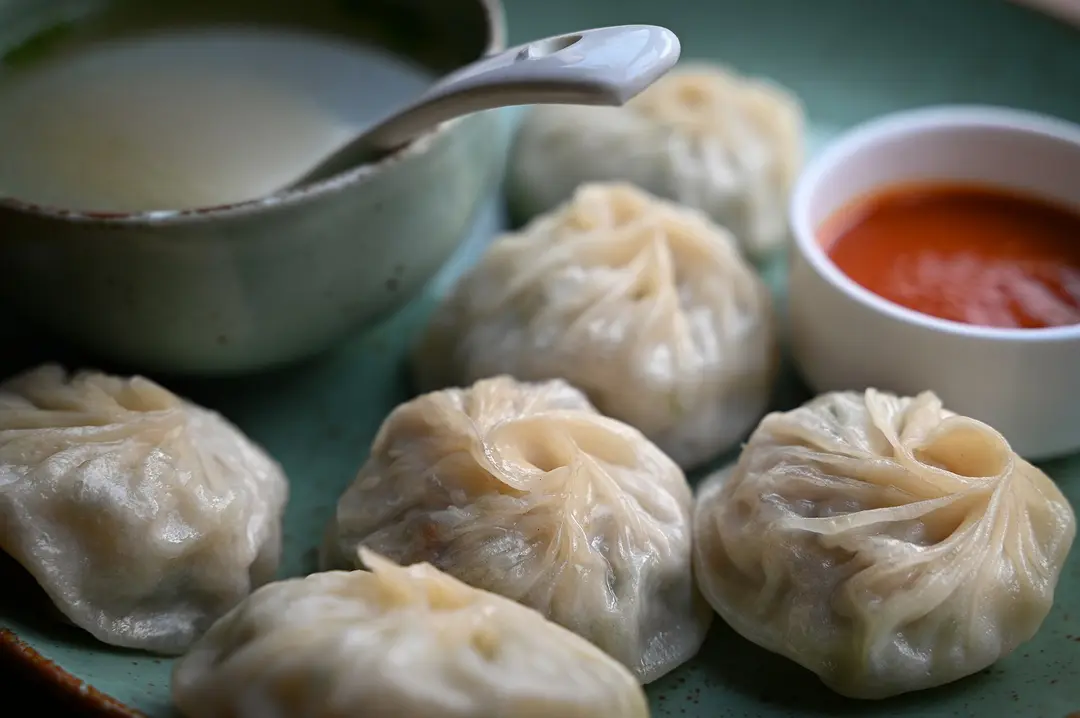
Steamed dumplings filled with yak meat, potato or vegetables, served with a chili sauce.
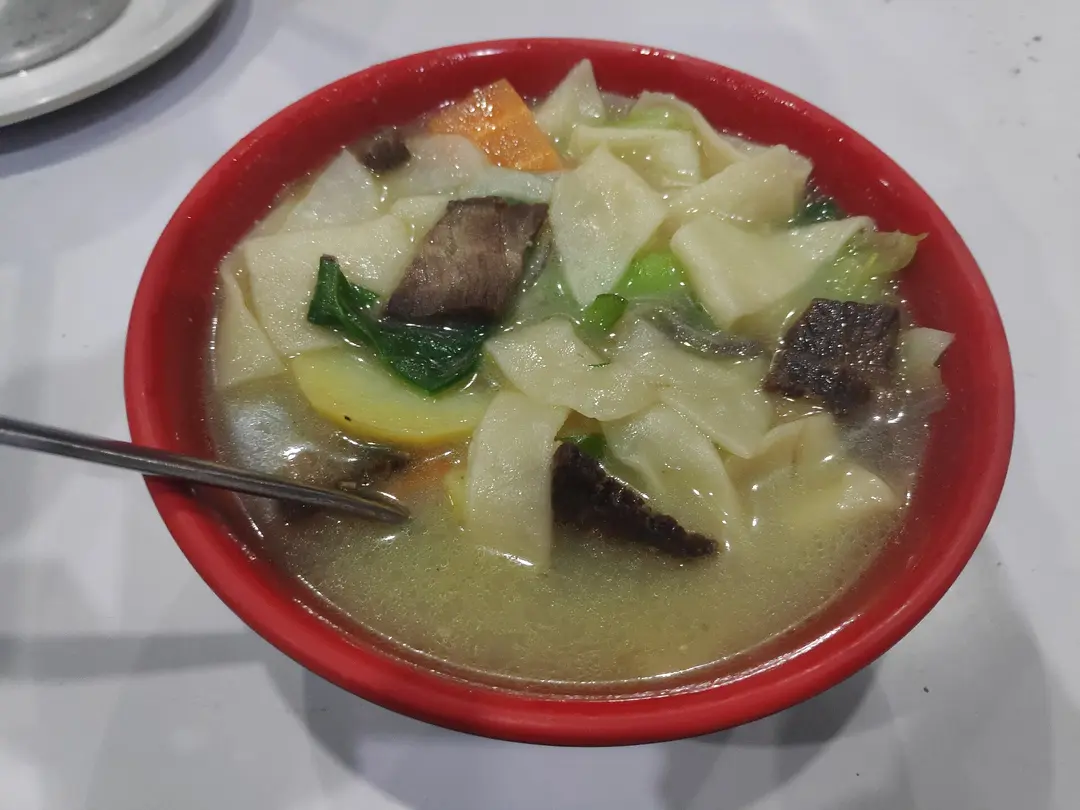
Noodle soup in which wheat dough is pulled and torn straight into a broth with vegetables and yak meat or mutton.
Tibet is a high plateau region in China’s far southwest, and every first trip starts in Lhasa, at about 3,650 meters. The city has the Potala Palace, the Jokhang Temple and the monks’ debates at Sera. Beyond it lie turquoise lakes, Shigatse’s great monastery and the north face of Everest. It suits travelers in good health who are happy to move slowly with a guide.
Foreign visitors cannot travel on their own here. You need a Tibet Travel Permit, which only a licensed Tibet travel agency can apply for, and it is issued only for a booked tour with a licensed guide. Places outside Lhasa, including Everest Base Camp, need further permits, such as the Aliens’ Travel Permit and a border permit, which the agency and guide arrange. The agency needs copies of your passport and your Chinese visa, or the details of your visa-free entry; visa-free visitors still need the permit. We arrange the permit and the guided itinerary through a licensed Tibet agency.
Fly in from Chengdu and keep the first day for rest. On the next two days, see the Potala Palace, the Jokhang and the Barkhor circuit, and Sera on a weekday afternoon. Then give a day to Namtso, or drive over the Kamba La to Yamdrok Lake.
With more time, continue past Yamdrok to Shigatse and Tashilhunpo, then on to Everest Base Camp, sleeping a little higher each night. You can also arrive or leave on the Qinghai–Tibet railway from Xining, a ride of about 20–22 hours in carriages with added oxygen.
Checked on 29 October 2026. Opening times and ticket rules change; confirm on the official site before you go.
Yes. Foreign visitors need a Tibet Travel Permit, which only a licensed Tibet travel agency can apply for, and it is issued only for a booked tour with a licensed guide. Visa-free visitors to China still need it, and places outside Lhasa, including Everest Base Camp, need further permits.
No. Foreign visitors cannot travel on their own in Tibet: the permit requires a booked tour with a licensed guide, and you travel in a private vehicle with your guide and driver. Lhasa's old town around the Jokhang is walkable.
Yes. US citizens follow the same rules as other foreign visitors: a Chinese visa or eligible visa-free entry to China, plus a Tibet Travel Permit arranged by a licensed agency for a guided tour.
Lhasa sits at about 3,650 meters (about 12,000 feet), and flying straight in carries a high risk of altitude illness. Rest for the first two days, skip alcohol, and ask a doctor before you go about acetazolamide, a prescription medicine that speeds acclimatization.
Permit processing takes a week or more, and routes to Everest Base Camp and other border areas take longer, so start at least a month ahead. Permits are not processed over Tibetan New Year.
Most visitors fly from Chengdu to Lhasa Gonggar Airport in about 2.5 hours, and you must show the original Tibet Travel Permit at check-in. The other route is the Qinghai–Tibet train from Xining, about 20–22 hours.
May to October is the best time to visit Tibet. July and August are the wettest and busiest months, October has the clearest skies, and Everest is most often visible in April, May, September and October.
Four to five days covers Lhasa and one of the lakes, Namtso or Yamdrok. Allow 8–10 days to add Shigatse and Everest Base Camp.
A host who lives in Tibet can take care of as much or as little as you like. Pick what you need; it all comes back as one plan and one price.
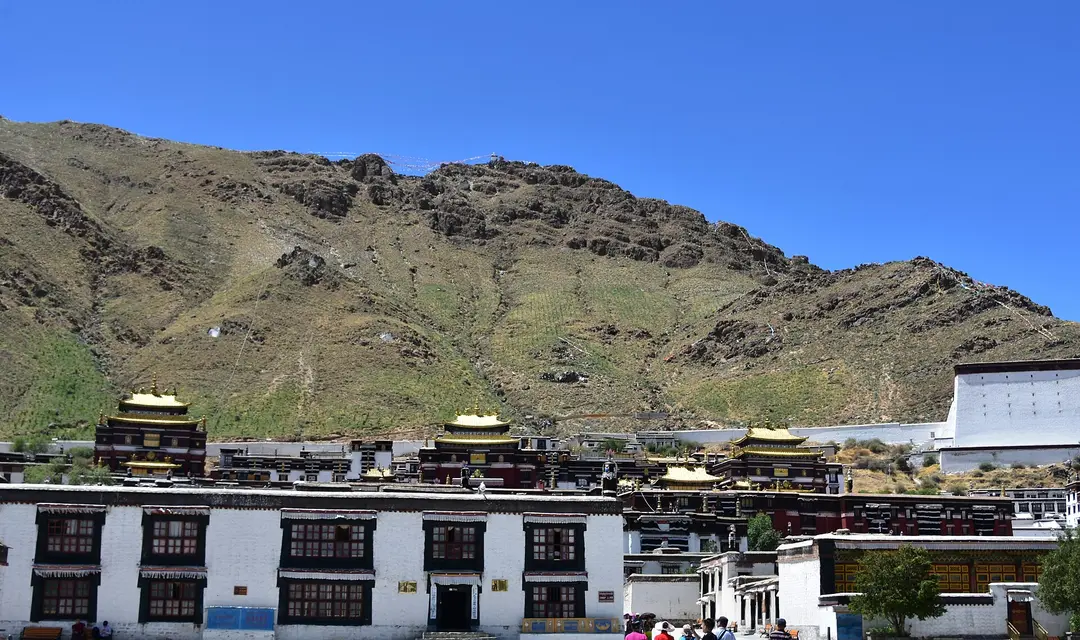
Tell us your dates and which cities you have in mind. A host replies within 24 hours with a day-by-day plan that fits Tibet in, and a price.
Plan your trip