Checked on 30 October 2026.
For most first trips, aim for April to May or September to early November. Those months are mild and fairly dry in Beijing, Xi’an, Shanghai and Chengdu, the four cities most first-timers combine. The bigger risk is the calendar: three national holidays fill trains, hotels and sights, and they matter more than the weather.
Holiday dates on this page come from the State Council’s official notice. Weather patterns are averages, so check a forecast in the week before you travel.
China weather by season
Spring (March to May). Warm days arrive first in the south and east. Beijing is dry and windy in March and April, with occasional dust storms, and settles by May. Spring is the best season for Guilin’s misty river views.
Summer (June to August). Hot and humid almost everywhere east of the mountains. Beijing reaches 28–38°C, with sudden afternoon storms. The plum rains soak the Yangtze region, including Shanghai and Hangzhou, from about mid-June to early July, and school holidays fill the big sights in July and August.
Autumn (September to November). The most reliable season. North China has clear, dry days through October, and the south and east stay pleasant into November. Hong Kong’s best months are November and December.
Winter (December to February). Beijing runs from about −10 to 10°C and Harbin’s January lows average about −22°C. The south stays mild, and outside the Spring Festival rush the big sights are quiet.
China month by month
| Month | What to expect | Good places to go |
|---|---|---|
| January | Cold, dry north; Spring Festival travel rush may start | Harbin, Kunming, Xishuangbanna, Hong Kong |
| February | Spring Festival in most years | Xishuangbanna, Guangzhou, Shenzhen |
| March | Warming south; windy Beijing | Kunming, Dali, Xi’an, Hangzhou |
| April | Good almost everywhere; Qingming weekend | Beijing, Suzhou, Huangshan, Luoyang |
| May | Warm; avoid May 1–5 | Beijing, Qingdao, Dunhuang, Tibet |
| June | Plum rains in the east from mid-month | Harbin, Inner Mongolia, Xinjiang |
| July | Hot, humid, school holidays | Harbin, Inner Mongolia, Shangri-La |
| August | As July; typhoons on the south coast | Xinjiang, Tibet, Harbin |
| September | Heat eases; Mid-Autumn weekend | Beijing, Xi’an, Guilin, Dunhuang |
| October | Clear and mild; avoid October 1–7 | Beijing, Zhangjiajie, Jiuzhaigou, Tibet |
| November | Autumn color in the east and south | Shanghai, Hangzhou, Xiamen, Macau |
| December | Cold north, mild south; Harbin opens | Hong Kong, Guangzhou, Zhuhai, Harbin |
Chinese holidays to avoid
Three national holidays send much of the country traveling at once. Train tickets on 12306 go on sale 15 days ahead and the popular ones sell out quickly, and sights that sell timed tickets in advance, such as the Forbidden City, book up.
- Spring Festival (Chinese New Year). Follows the lunar calendar, so it falls between late January and mid-February. In 2026 the official break ran from February 15 to 23, inside a 40-day travel rush from February 2 to March 13. Lunar New Year’s Day 2027 is February 6.
- May Day. A break of about five days from May 1; in 2026, May 1–5.
- National Day Golden Week. A seven-day break from October 1; in 2026, October 1–7.
The State Council publishes each year’s exact dates, including the weekend working days that pay for them, usually in November for the following year. As of October 30, 2026, the 2027 schedule had not been released. Shorter three-day breaks for Qingming (early April), Dragon Boat (June) and Mid-Autumn (September) are busy too, but far less so.
Best time by region
- North (Beijing, Xi’an, Luoyang): April to May and September to October. Summers are hot and stormy, winters cold but clear.
- East (Shanghai, Hangzhou, Suzhou, Huangshan): April to May and late September to November. Expect rain from mid-June to early July.
- South (Hong Kong, Guangzhou, Guilin, Xiamen): October to December, when it is dry and sunny. May to September is hot and wet, and typhoons are most likely from July to September.
- Southwest (Chengdu, Chongqing, Yunnan): March to May and September to November. Chongqing passes 35°C in summer and is foggy in winter; Kunming stays mild all year.
- Tibet: May to October, with the clearest skies in October. In many past years permits for foreigners were suspended for several weeks in February and March, so check before planning a late-winter trip.
- Xinjiang: May to October. Turpan is very hot in July and August, and winters are cold.
Great Wall, Zhangjiajie and Guilin
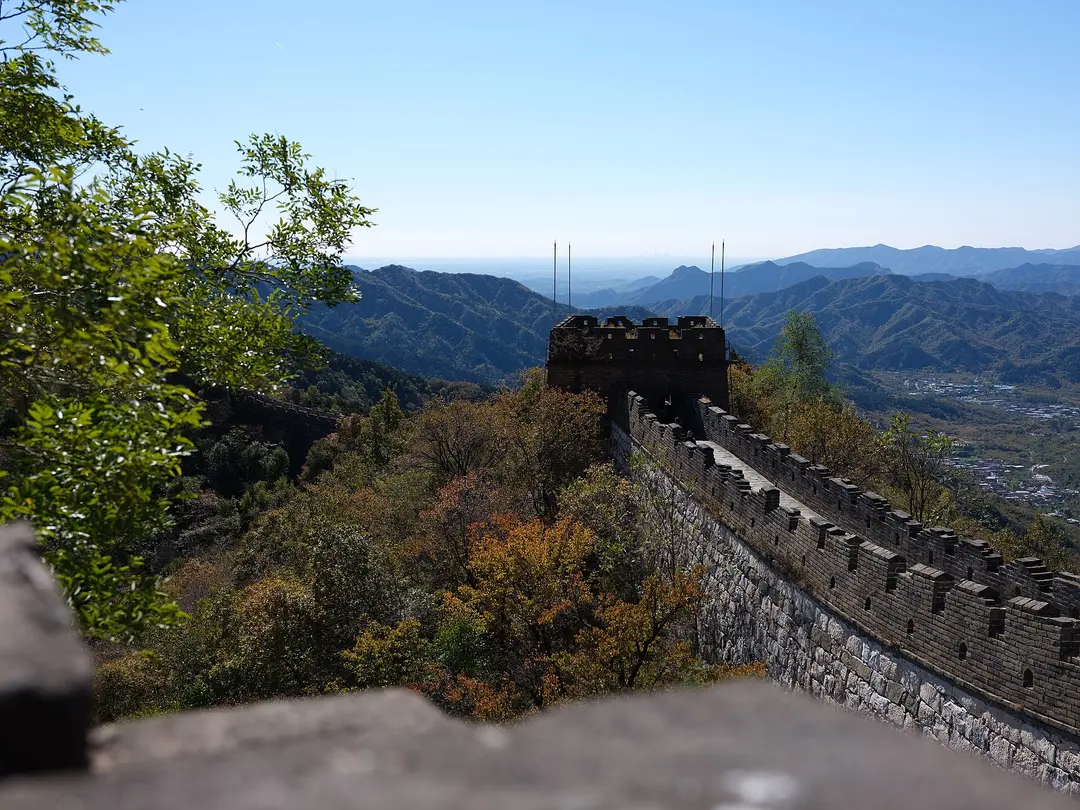
Great Wall. April to May and September to October, with autumn color from mid-October. Winter is cold and windy but quiet. Our Mutianyu guide covers the section most visitors choose.
Zhangjiajie. March to April, September, and mid-October to mid-November. May to August is wettest, and the parks stay open in winter, when snow is possible.
Guilin. April to November, best from September to mid-October. From December to February low water can shorten the Li River cruise.
Where to go in winter
Go north for the cold on purpose: Harbin’s Ice and Snow World usually opens in late December, though the 2026–27 date had not been announced by late October. Go south for warmth: Hong Kong, Xishuangbanna’s dry season and Kunming’s winter gulls. Beijing and Xi’an in December and early January are cold and uncrowded, a good time for museums and palaces.
When you have dates, our China itinerary guide turns them into a route, and visa-free entry explains which entry rule fits your trip.